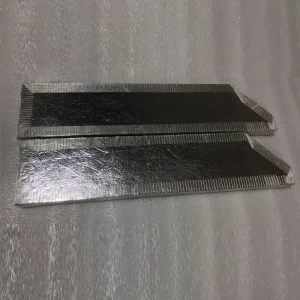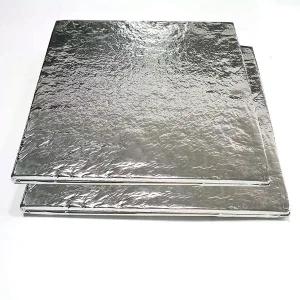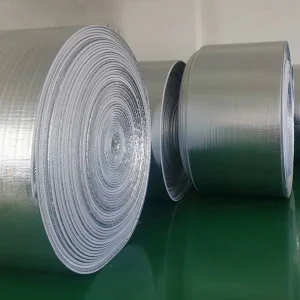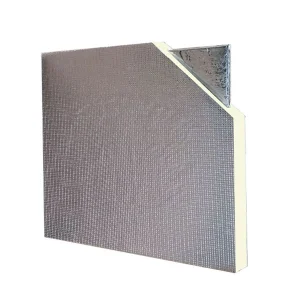
Customized, low-thermal-conductivity solutions tailored for harsh industrial operating environments.
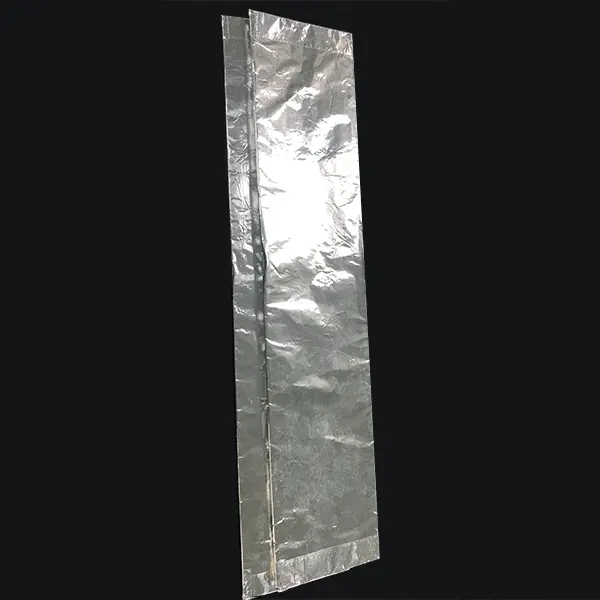
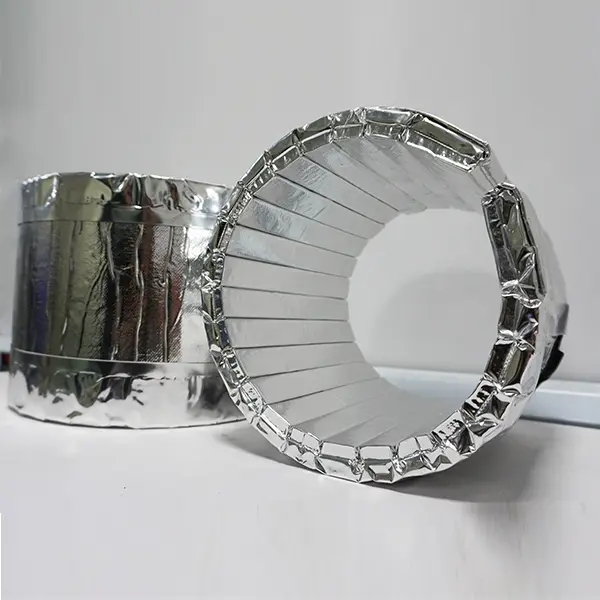
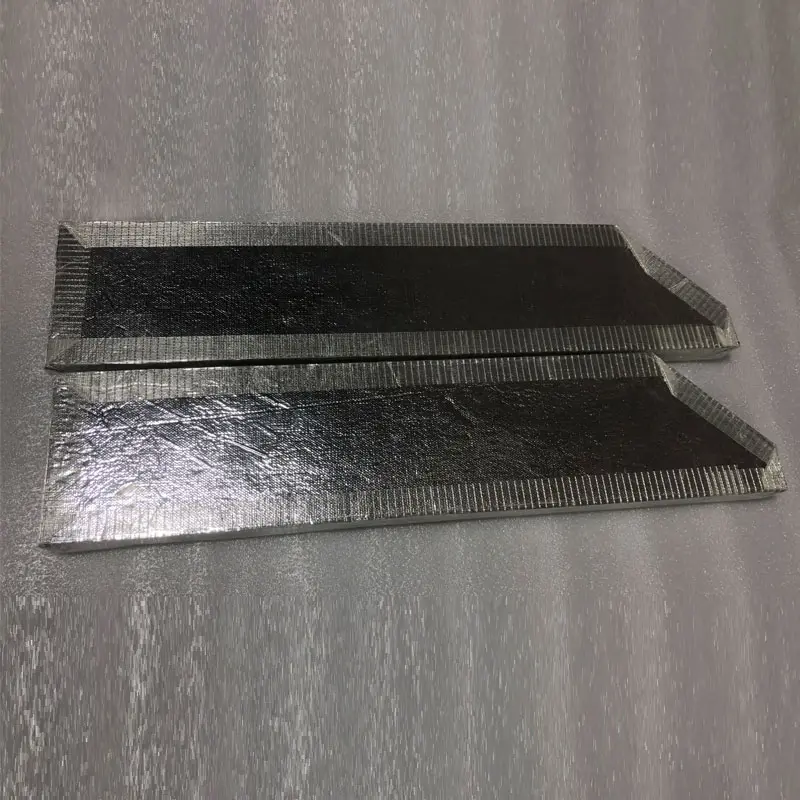
The Samara Oblast, positioned as one of Russia's paramount industrial powerhouses along the Volga River, harbors a dense concentration of energy-intensive sectors. From the massive oil refining complexes of Novokuibyshevsk, Syzran, and Samara to the sophisticated aerospace propulsion plants and metallurgy foundries of Togliatti and Samara city, thermal process control lies at the absolute heart of operational efficiency and decarbonization targets.
Industrial furnaces, steam crackers, tundishes, ladles, and heat-treatment kilns across Samara operate continuously at temperatures spanning 800°C to 1500°C. Traditional refractory insulation methods—such as heavy firebricks, ceramic fibers, and calcium silicate boards—suffer from inherent physical limitations: excess weight, high thermal conductivity at elevated temperatures, structural degradation under thermal shock, and excessive volume consumption that restricts internal working space. In extreme regional continental weather where ambient winter temperatures drop well below -20°C, thermal loss delta values peak, drastically driving up fuel consumption and carbon tax footprints.
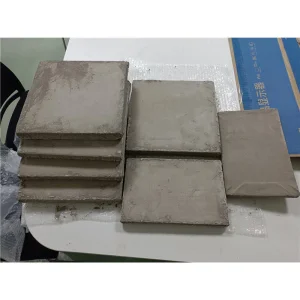
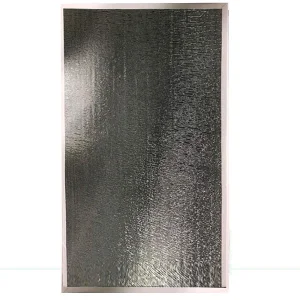
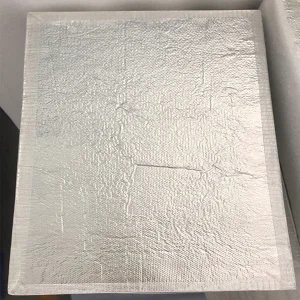
To maintain global competitiveness and comply with modern Russian energy efficiency frameworks (including GOST energy conservation directives), heavy industries across Samara are aggressively retrofitting their thermal barriers with Nano Microporous Panels. Engineered from fumed silica matrix composites and infrared opacifiers, these panels provide up to 4x to 10x better insulation efficiency than traditional ceramic fibers at identical thicknesses, enabling unprecedented energy conservation and shell temperature reduction.
Achieves λ ≤ 0.019 W/m·K at 200°C and ≤ 0.038 W/m·K at 800°C by arresting gas convection at the nanoscale (Knudsen effect).
Reduces insulation thickness by 50% to 80% compared to traditional fiber blankets, maximizing internal furnace cubic capacity.
Decreases outer metal shell temperature by 30°C–60°C, lowering gas consumption and yielding complete ROI within 6 to 14 months.
The remarkable thermal performance of Zerothermo's Nano Microporous Insulation Panels lies in the quantum physical manipulation of thermal transport mechanisms: conduction, convection, and radiation.
1. Convection Suppression: Heat conduction in air occurs via collisions between gas molecules. The average mean free path of an air molecule at atmospheric pressure is approximately 70 nanometers. Zerothermo microporous panels are manufactured using pyrogenic fumed silica particles creating pore structures smaller than 20 nanometers. This invokes the Knudsen Effect, where gas molecules collide with the pore walls far more frequently than with each other, completely eliminating gas phase thermal convection.
2. Solid Conduction Reduction: The solid matrix consists of point-contact nanoscale silica spheres, minimizing the physical cross-sectional pathway through which heat can travel by solid conduction.
3. Infrared Radiation Reflection: At temperatures above 500°C, thermal radiation becomes the dominant mode of heat transfer. Our panels integrate specialized titanium dioxide and silicon carbide infrared opacifiers that scatter and absorb thermal radiation across the 2–10 µm spectrum.
| Insulation Material Type | Density (kg/m³) | Thermal Cond. @ 400°C (W/m·K) | Thermal Cond. @ 800°C (W/m·K) | Thickness Needed for 1000°C Inner / 60°C Outer Shell |
|---|---|---|---|---|
| Zerothermo Nano Microporous Panel | 240 – 320 | 0.022 | 0.038 | 45 mm |
| Ceramic Fiber Board (1260 Grade) | 260 – 300 | 0.095 | 0.175 | 165 mm |
| Calcium Silicate Board | 230 – 270 | 0.088 | 0.145 | 140 mm |
| Insulating Fire Brick (JM23) | 600 – 800 | 0.240 | 0.310 | 320 mm |
Turnkey thermal backup systems designed to meet rigorous regional operating demands.
Used as backup insulation behind working linings in steel ladles, tundishes, holding furnaces, and reheating kilns across Samara metalworking centers. Prevents molten steel temperature drops, avoids slag formation, and extends steel ladle refractory lifespan.
Integrated into Novokuibyshevsk and Syzran refinery cracking furnaces, reformers, and high-pressure steam headers. Retaining high thermal boundaries drastically cuts fuel gas consumption and lowers shell skin temperatures for personnel safety.
Supporting Samara’s world-renowned aerospace cluster with ultra-lightweight, high-density microporous heat barriers engineered for turbine test benches, exhaust ducting, firedoors, and thermal protection boxes.
Replaces heavy insulation layers in glass melting tank bottoms and feeder channels. Reduces thermal inertia during start-up cycles and delivers smooth temperature uniformity across precise glass forming operations.
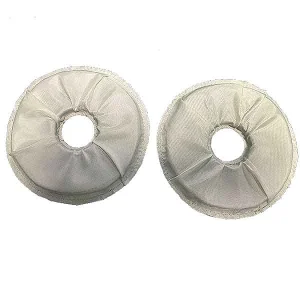
Encapsulated flexible nano mats wrapped around high-pressure steam distribution networks across district heating plants in Volga region, preventing thermal loss over kilometers of overhead piping.
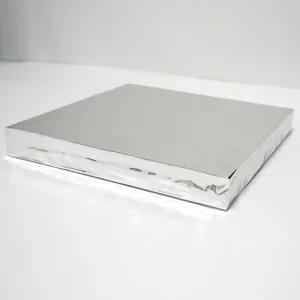
Precision CNC routed, foil-encapsulated, or glass-cloth jacketed panel geometries customized to exact technical blueprints for high-temperature equipment OEMs across Eurasia.
Zerothermo Technology Co., Ltd. (Subsidiary of CBVAC Group) provides reliable, scalable, and direct factory supply to Samara.
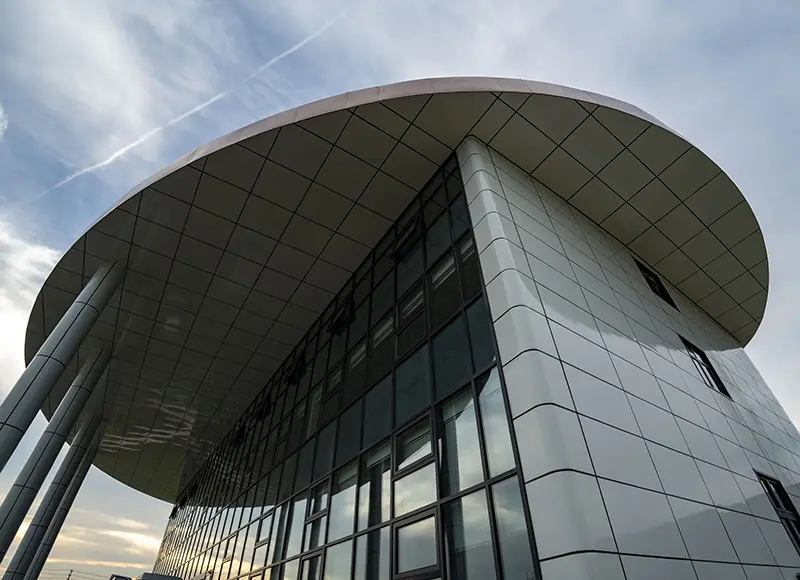
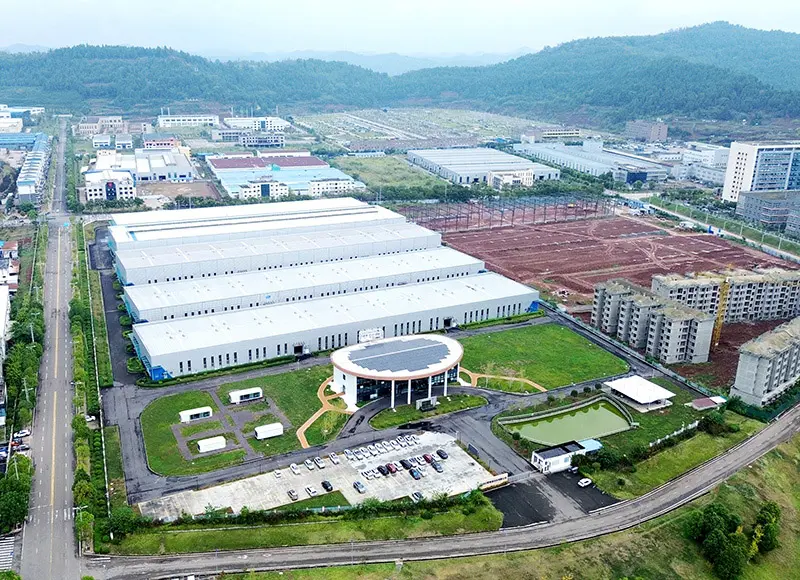
Headquartered in the Beijing Economic-Technological Development Area with a state-of-the-art 400,000 m² manufacturing powerhouse in Nanchong City, Sichuan Province, Zerothermo Technology stands as China’s premier enterprise in vacuum and microporous thermal application products.
Key Advantages for Samara Industrial Buyers:
Procuring high-temperature industrial materials for projects in the Russian Federation requires strict adherence to regulatory standards, fire safety protocols, and technical documentation. Zerothermo works directly with procurement teams in Samara to ensure seamless integration.
All nano microporous materials are supplied with complete material passports, chemical analysis certificates, and test reports fully compliant with GOST thermal insulation standards.
Exhibits 100% inorganic composition rated Non-Combustible (Class NG / KM0 fire hazard rating), producing zero smoke, toxic gas, or flame spread during extreme thermal exposure.
Available in custom hydrophobic coatings, aluminium foil facing, PE film wrapping, or woven glass fiber jacketing to withstand humidity, vibration, and mechanical handling during installation.
Real-world performance verification across heavy industrial applications.

Replaced 120mm ceramic board with 40mm Nano Microporous panel. Shell temperature dropped by 48°C, increasing ladle capacity by 8.5%.
Request Case Study Data
Installed hydrophobic microporous panels as backing insulation for steam cracker. Natural gas fuel reduction achieved: 4.2% annually.
Request Case Study Data
Eliminated cold-bridge defects and thermal drift in continuous annealing furnace operating at 950°C. Payback period: 7.5 months.
Request Case Study Data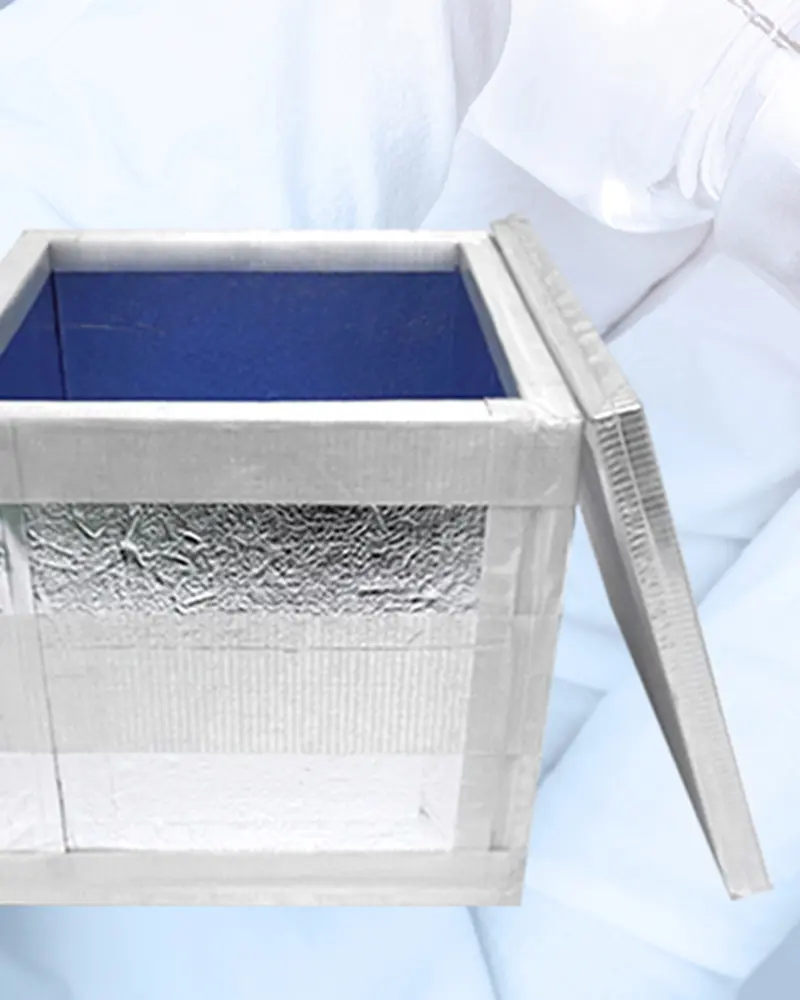
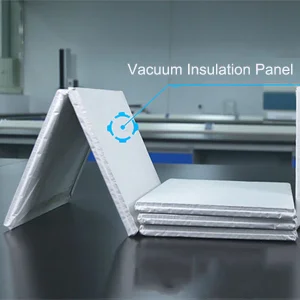
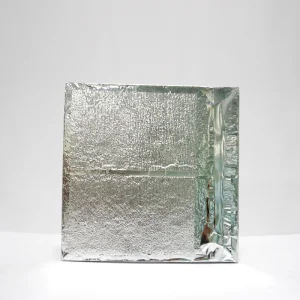
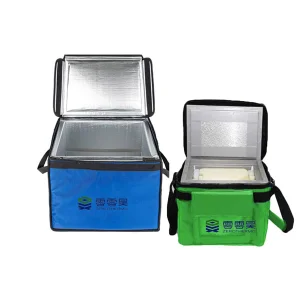
Dual-application vacuum insulation panels (VIP) deployed for extreme sub-zero transport and precision temperature control systems.
Request Case Study Data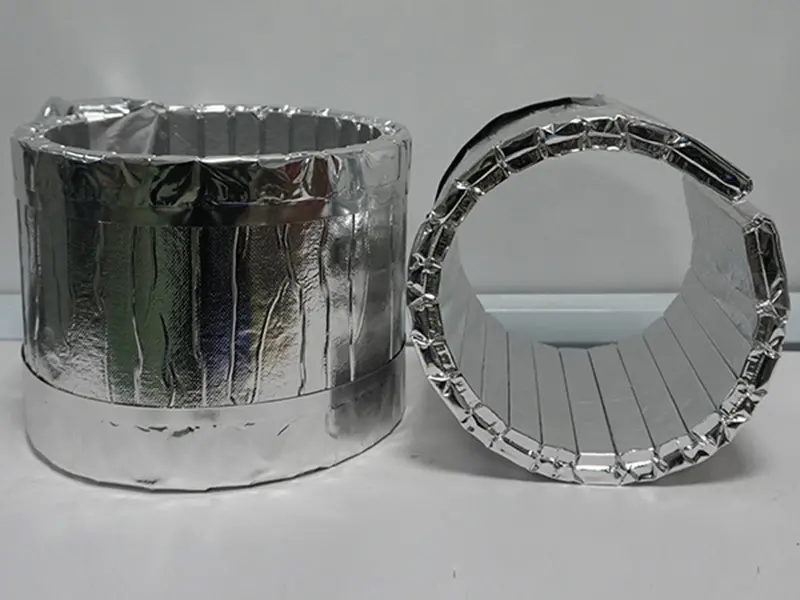 TECHNICAL WHITE PAPER
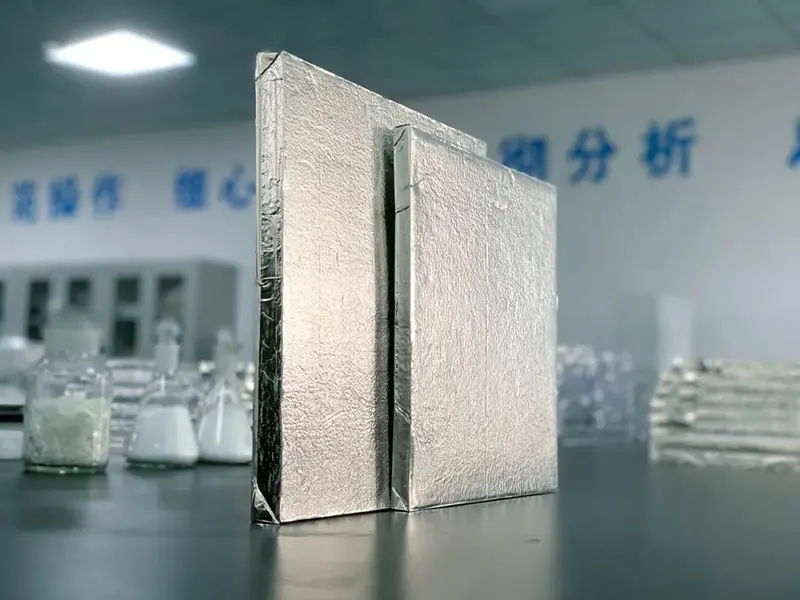
Exploring fire boundary integrity, heat conduction rates, and minimal thickness profiles for high-rise fireproofing requirements.
 COMPANY NEWS
Presenting customized vacuum insulation and high-temperature microporous panel breakthroughs to international engineering procurement teams.
 ENGINEERING REPORT
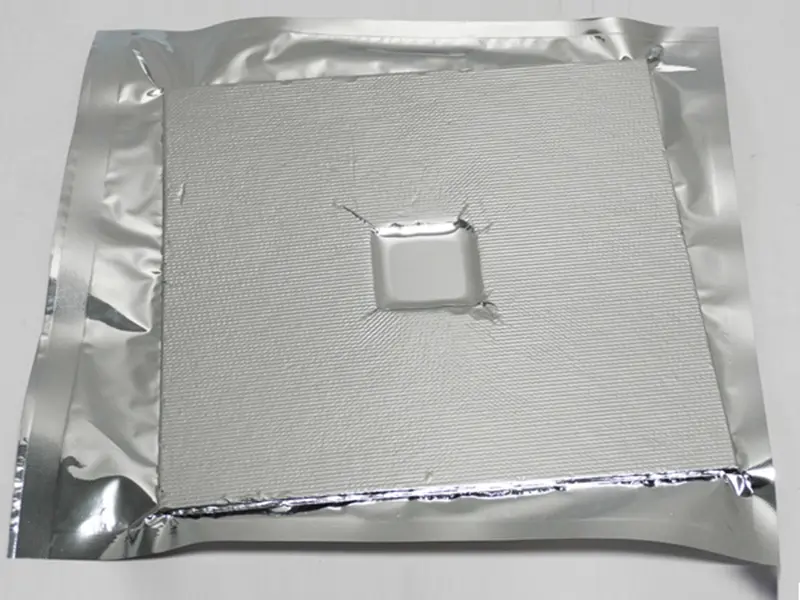
A comprehensive analysis on calculating ROI, fuel savings, and CO2 emissions reduction in heavy metal heating operations.
Everything you need to know about specifications, RFQs, logistics, and installation.
Our standard nano microporous panel series operates continuously up to 1000°C (1832°F), with high-temp upgraded formulations engineered to withstand peak spikes up to 1100°C. For applications above 1100°C, custom hybrid linings combining outer high-alumina layers are recommended.
Standard fumed silica microporous material is hydrophilic. However, for humid industrial environments or outdoor piping in Samara, Zerothermo offers fully hydrophobic treated panels and foil-encapsulated (Alu-foil / glass cloth) variants that block moisture penetration without compromising thermal resistance.
You can click "Send Inquiry Now" or contact our sales team directly via email. Please provide furnace dimensions, working temperature, shell temperature targets, and required dimensions. Direct factory quotations are generated within 24 hours, with freight lead times to Samara averaging 14–20 days by direct container rail transport.
Yes. Unjacketed or cloth-encapsulated microporous panels can be readily cut or trimmed on site using standard woodworking saws, utility knives, or CNC cutting tools. For foil-encapsulated or vacuum-sealed units, precise factory pre-cutting is provided based on your CAD drawings to avoid seal rupture.
At 800°C, standard ceramic fiber board exhibits thermal conductivity around 0.15–0.18 W/m·K, whereas Zerothermo Nano Microporous Panels achieve 0.038 W/m·K. This means a 40mm microporous panel offers superior thermal protection compared to a 150mm ceramic fiber installation.
Yes, our materials are classified as Non-Combustible (Class KM0 / NG) under international and Russian fire safety standards. They contain zero organic binders, produce no smoke, toxic fumes, or flame spread during severe heating incidents.
Get direct factory quotes, technical consultation, and custom design assistance tailored specifically for your industrial facility in Samara.
Explore our full line of nano microporous boards, blankets, VIP panels, and custom cold-chain thermal solutions.