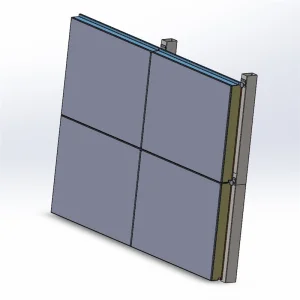
As modern commercial infrastructure faces stricter regulatory demands to lower operational carbon profiles, the engineering architecture of ceiling system retrofitting has pivoted from traditional bulk fiberglass and rock wool fills to highly engineered, ultra-thin composite materials. In the domain of energy efficiency design, a ceiling is not merely a partition barrier; it is the highest heat loss/gain plane within a building's thermal envelope due to convection cycles. The rise of Custom Ceiling Board Insulation represents a paradigm shift where thermal resistance values (R-value) are maximized within minimal space footprints, allowing structural developers to optimize ceiling spaces, mechanical run clearances, and overall design heights.
Information Gain Indicator: Traditional mass insulation depends on trapping ambient air pockets which limits the system's thermal conductivity (λ) to around 0.035 to 0.040 W/(m·K) at best. By implementing customized vacuum core matrices and fumed silica nano-microporous cells, engineered ceilings achieve an extraordinary design value as low as 0.004 W/(m·K)—multiplying thermal protection efficiency up to ten-fold per unit of structural thickness.
The global construction landscape is currently undergoing a swift evolution governed by regional net-zero mandates such as the European Union’s Energy Performance of Buildings Directive (EPBD) and the United States' ASHRAE 90.1 energy metrics. These evolving mandates require structural systems to achieve high-performance thermal values that traditional insulation cannot practically deliver due to space restrictions. This dynamic has accelerated three primary industry trends:
Industrial procurement departments, cold-chain system developers, and structural EPC companies evaluate ceiling and panel insulation suppliers on comprehensive performance matrices. Key procurement parameters include certified proof of thermal conductivity under real-world aging scenarios, fire containment ratings (such as Class A1 non-combustibility limits), outgassing metrics, and physical reliability under variable humidity. Procurement executives seek direct-to-manufacturer relationships to secure custom geometries and edge treatment solutions that avoid thermal bridging at panel junctions.
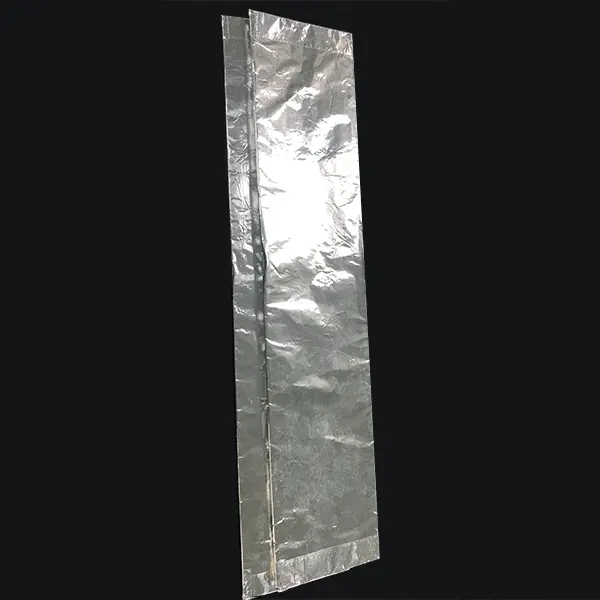
Size: Customized. Thickness: 5-30mm. Tailored for extreme thermal runaway containment in modern EV applications.
Inquire Now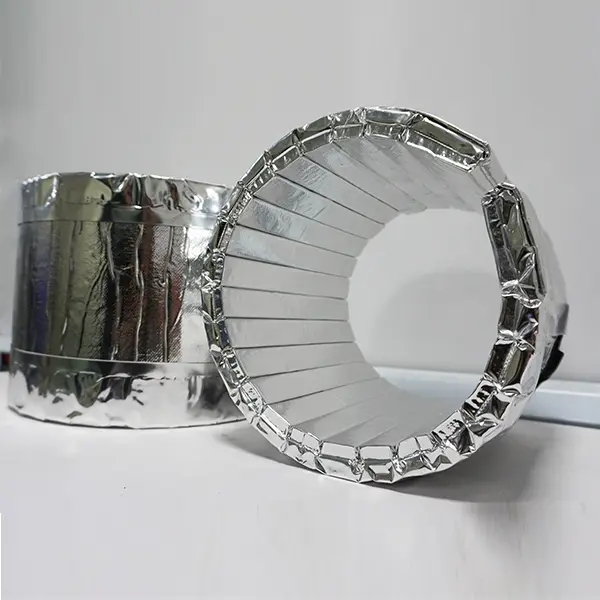
Customized size, thickness 5mm+. Ideal for compact high-efficiency water heater systems.
Inquire Now
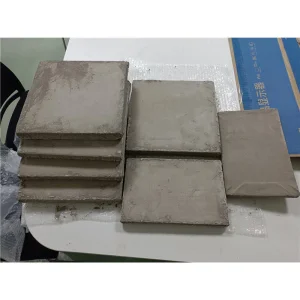
Designed specifically for fire door cores to limit thermal conduction during critical events.
Inquire Now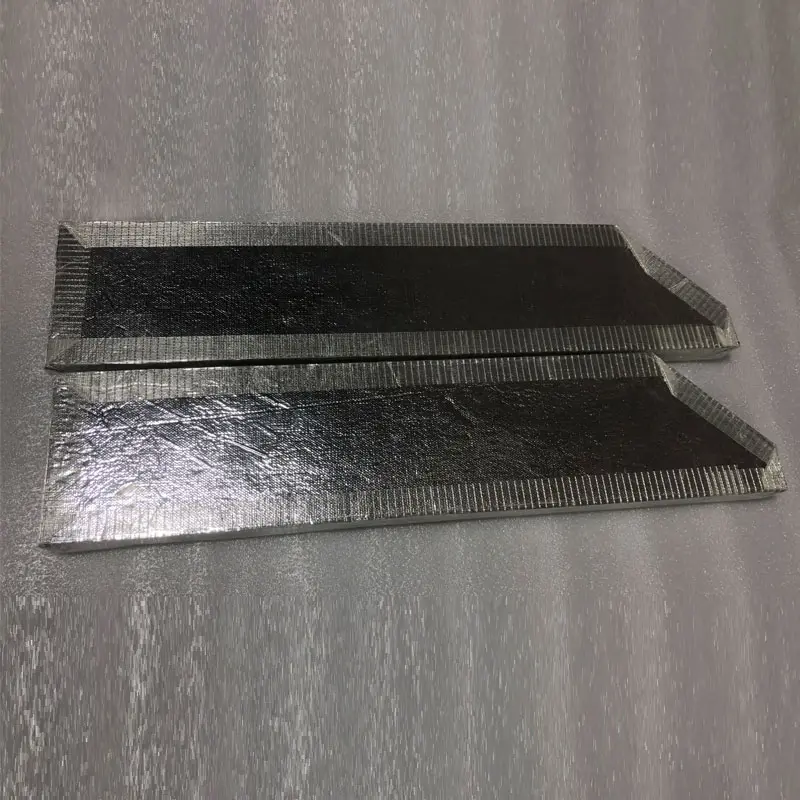
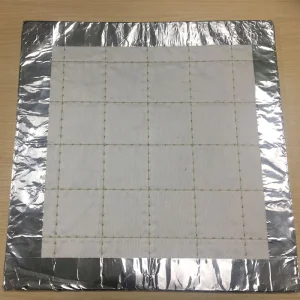
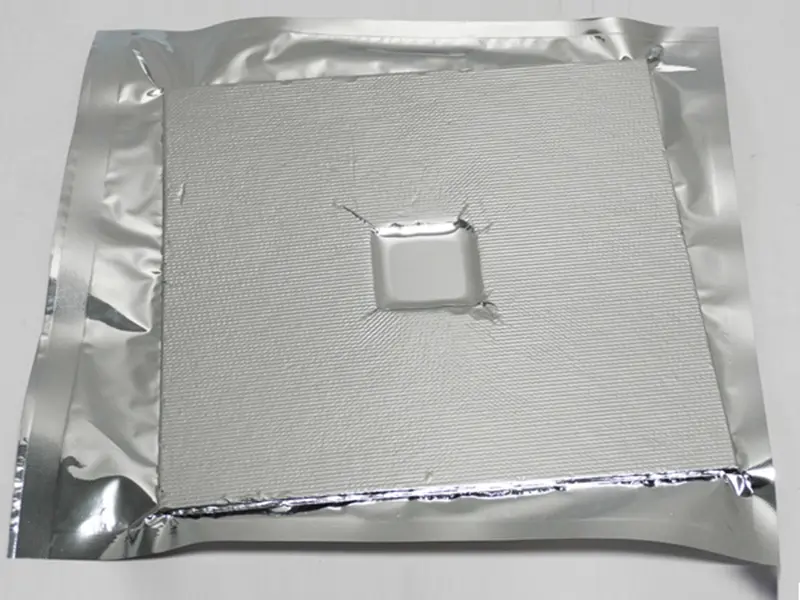
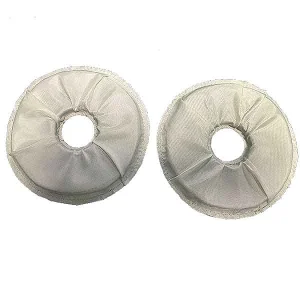
Unique shapes designed to accommodate structural frame contours and pipe penetrations.
Inquire Now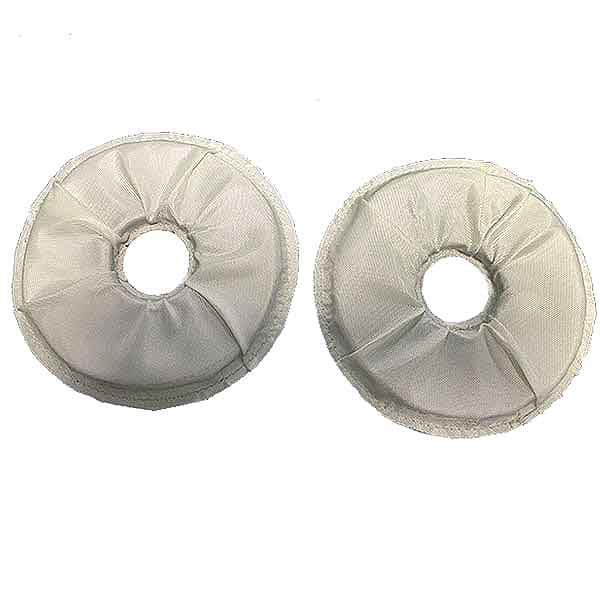
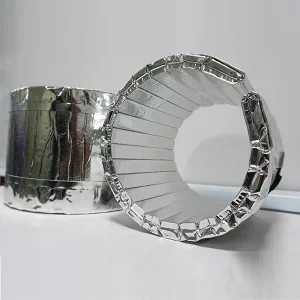
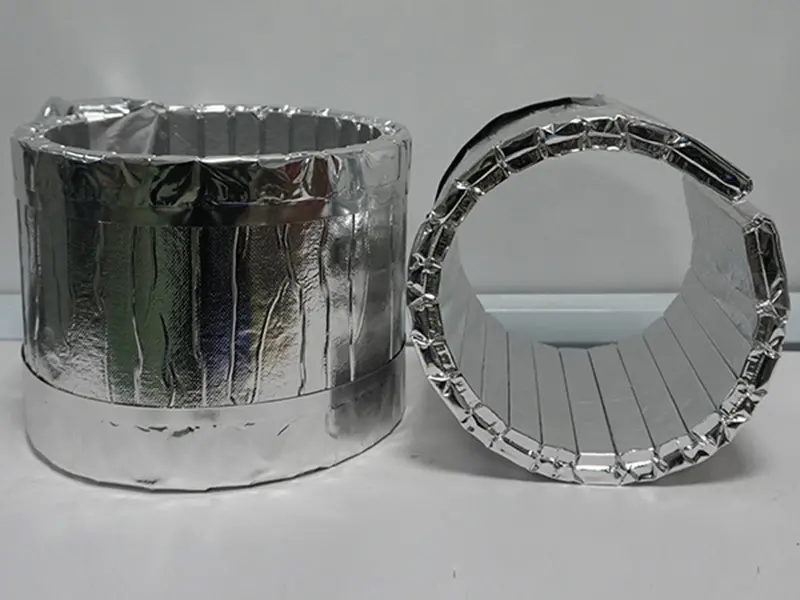
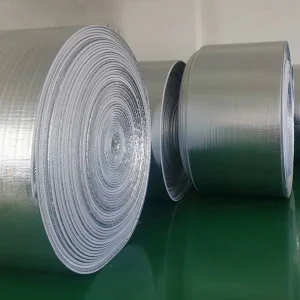
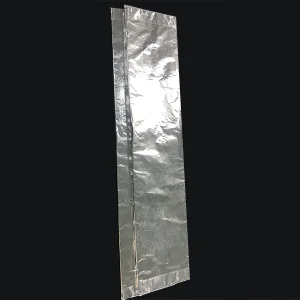
High flexibility core for cylindrical containers, piping, and curved structural layouts.
Inquire Now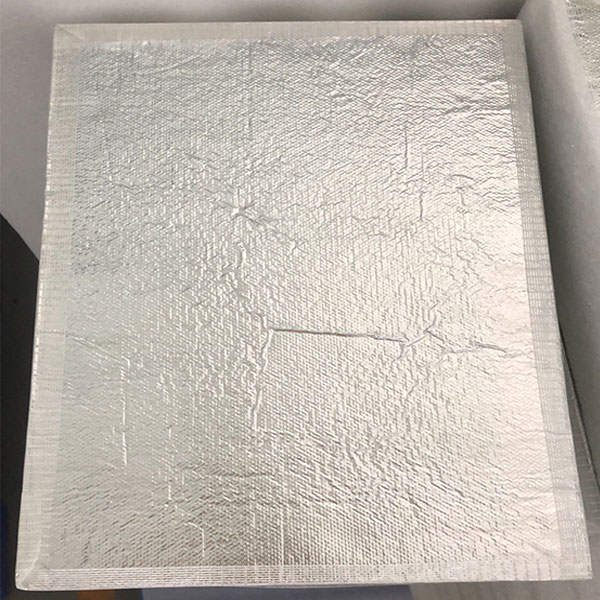
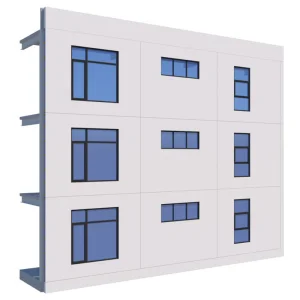
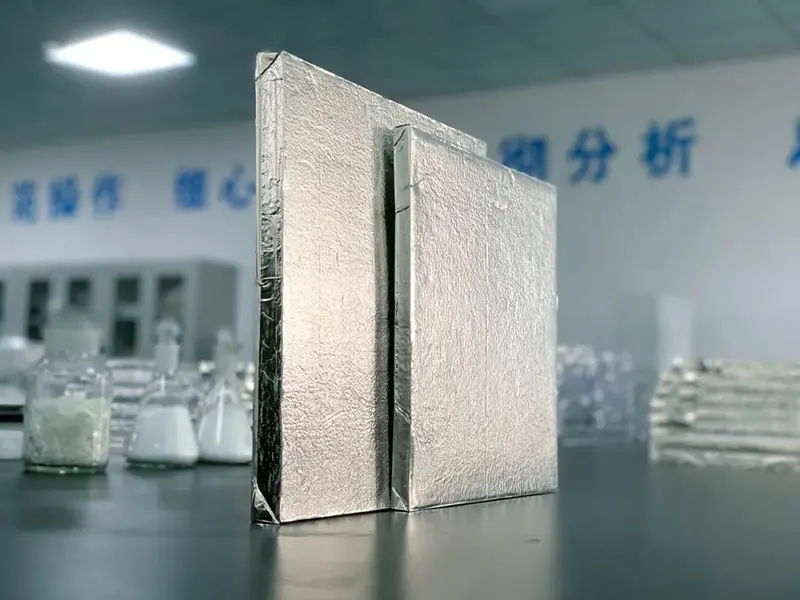
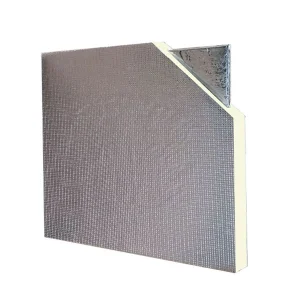
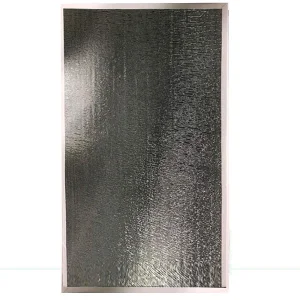
Ultra low thermal energy transfer rates, optimized for architectural ceiling envelopes.
Inquire Now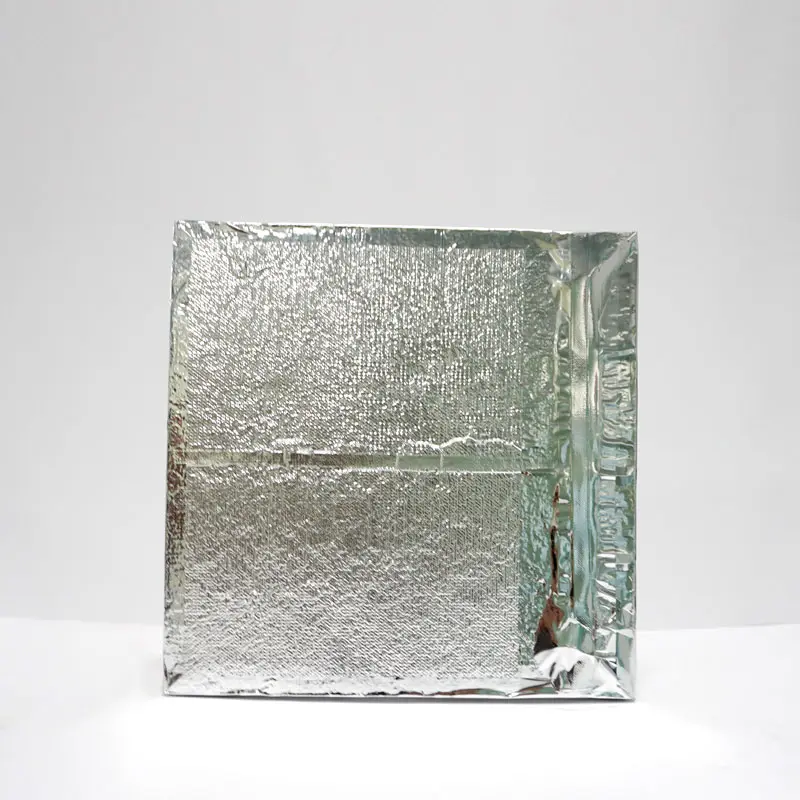
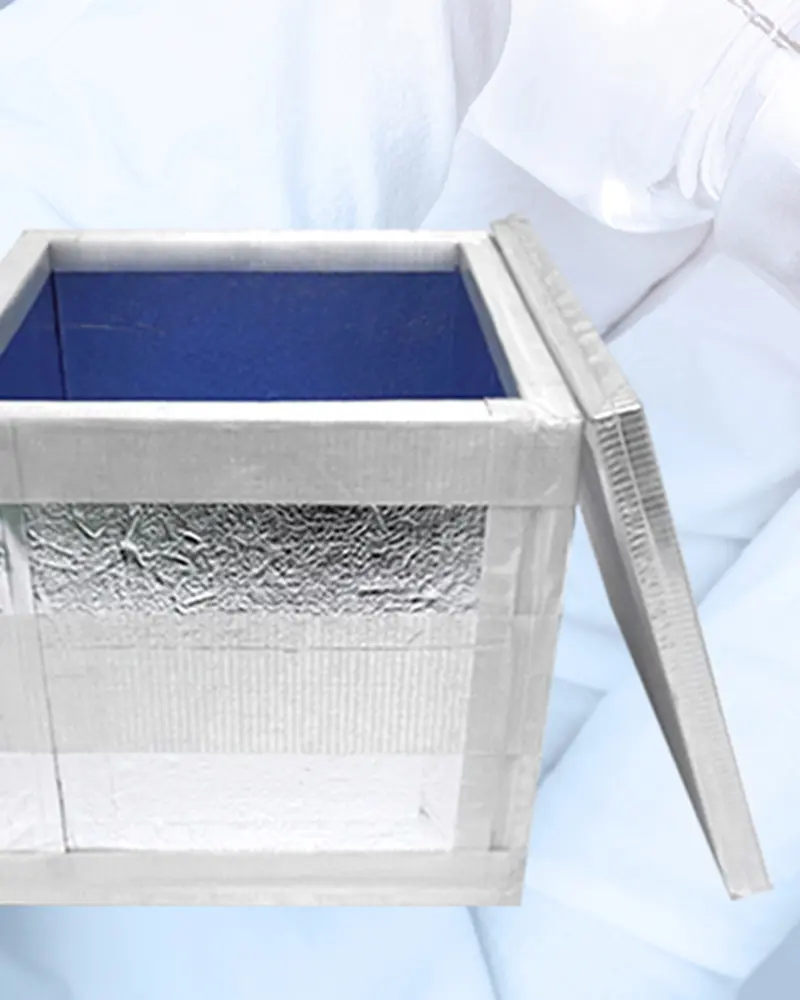
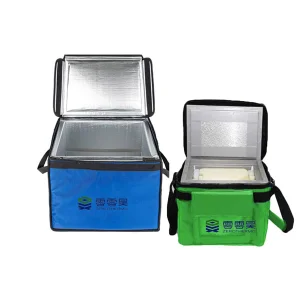
High-grade structural core panels designed for vaccine preservation shipments.
Inquire Now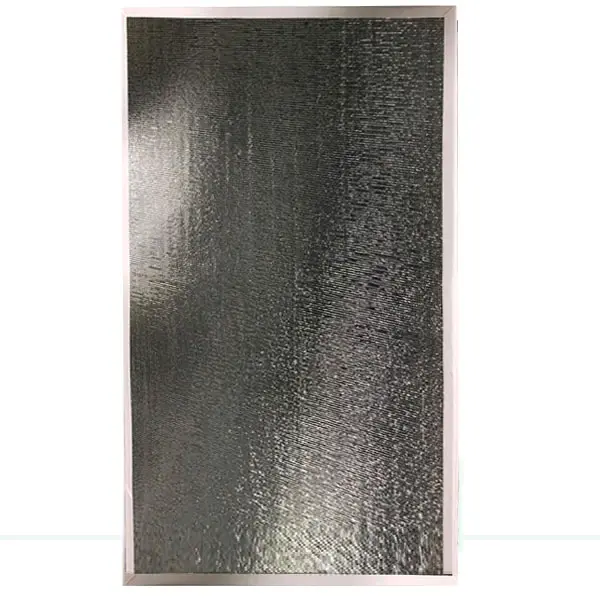
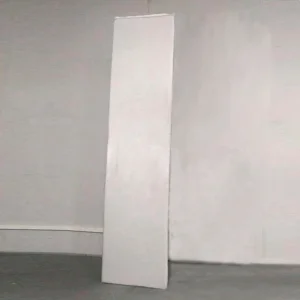
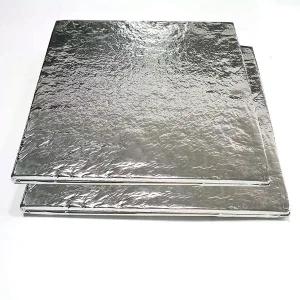
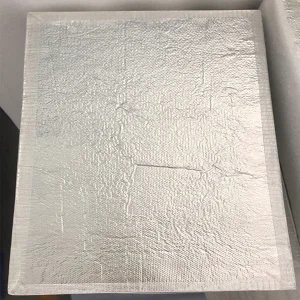
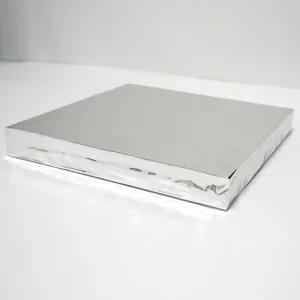
Large format panels engineered to cover vast ceiling and wall areas with minimal joints.
Inquire NowZerothermo Technology Co., Ltd., a subsidiary of the distinguished CBVAC Group, is a national high-tech enterprise dedicated to the design, manufacture, and deployment of vacuum insulation technology. Headquartered within the Beijing Economic-Technological Development Area, our state-of-the-art production base resides in Nanchong City, Sichuan Province. This massive infrastructure serves as one of China’s largest and most advanced integrated development hubs for high-performance vacuum thermal insulation systems.
By leveraging CBVAC's decades of precise vacuum engineering expertise, Zerothermo produces ultra-low thermal conductivity VIPs and nanoporous thermal blankets that consistently outperform traditional insulation materials, meeting international environmental and safety standards.

Special dimensions and tolerances produced according to detailed client engineering drawings.

Custom geometries (square, oval, oversized, or micro-precision profiles) engineered to meet specific project criteria.

Full manufacturing alignment with ASME, DIN, and specialized industrial criteria.
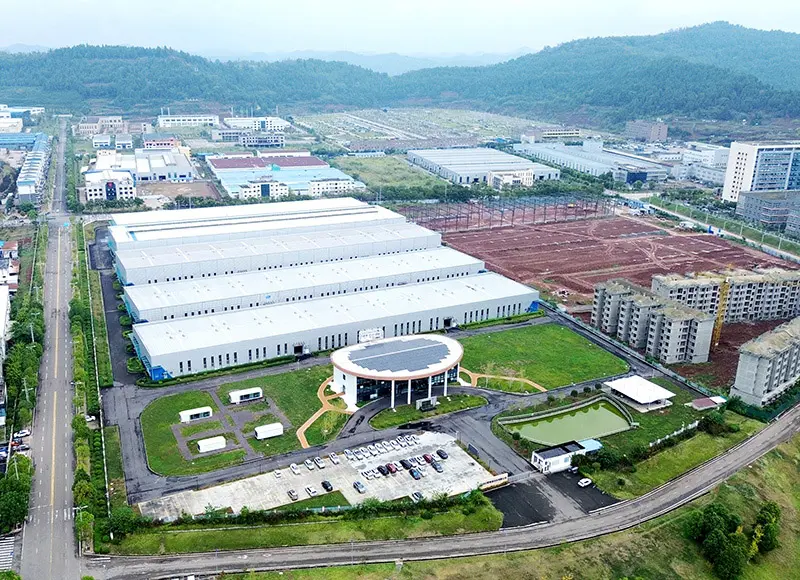
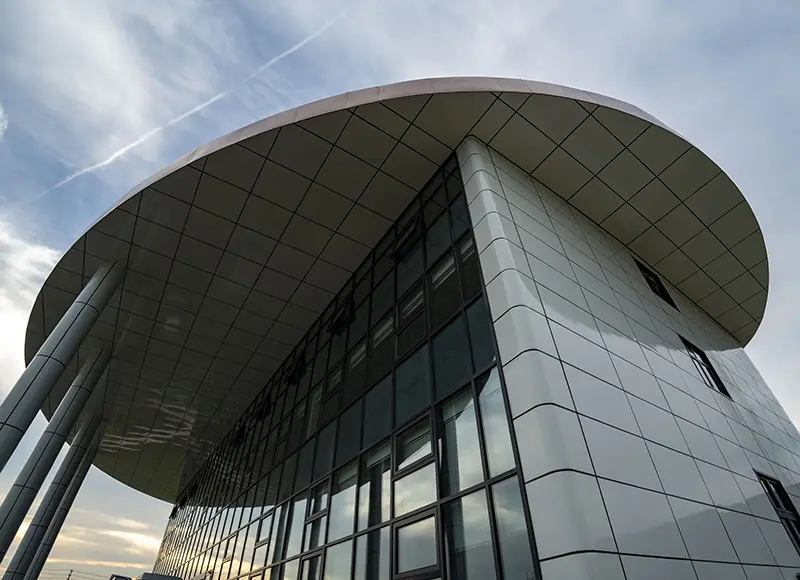
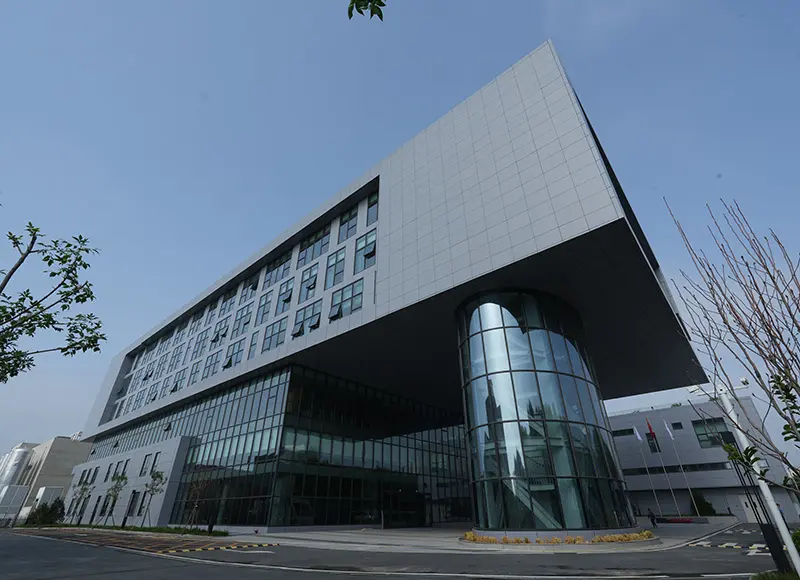
Our facility maintains strict cleanroom controls and automated vacuum sealing technology to guarantee long-term vacuum stability and consistent performance across all delivered product lines.

Every batch of vacuum insulation panels undergoes computerized core testing, thermal scanner verification, and rigorous edge sealing pressure tests.

We provide full structural support to adapt panels for penetrations, complex corner geometries, and specific thermal barrier ratings.

Automated manufacturing systems allow us to meet the delivery timelines of large-scale commercial real estate and cold-chain shipping container developments.

Our secure shipping processes prevent pressure fluctuations, ensuring high-vacuum barrier layers remain intact from factory floor to deployment site.

Supported by the comprehensive resources of the CBVAC Group, we offer stable supply guarantees, dedicated engineering services, and long-term project support.

Preserving vital medical shipments at stable sub-zero temperatures using fumed silica vacuum insulation panels.

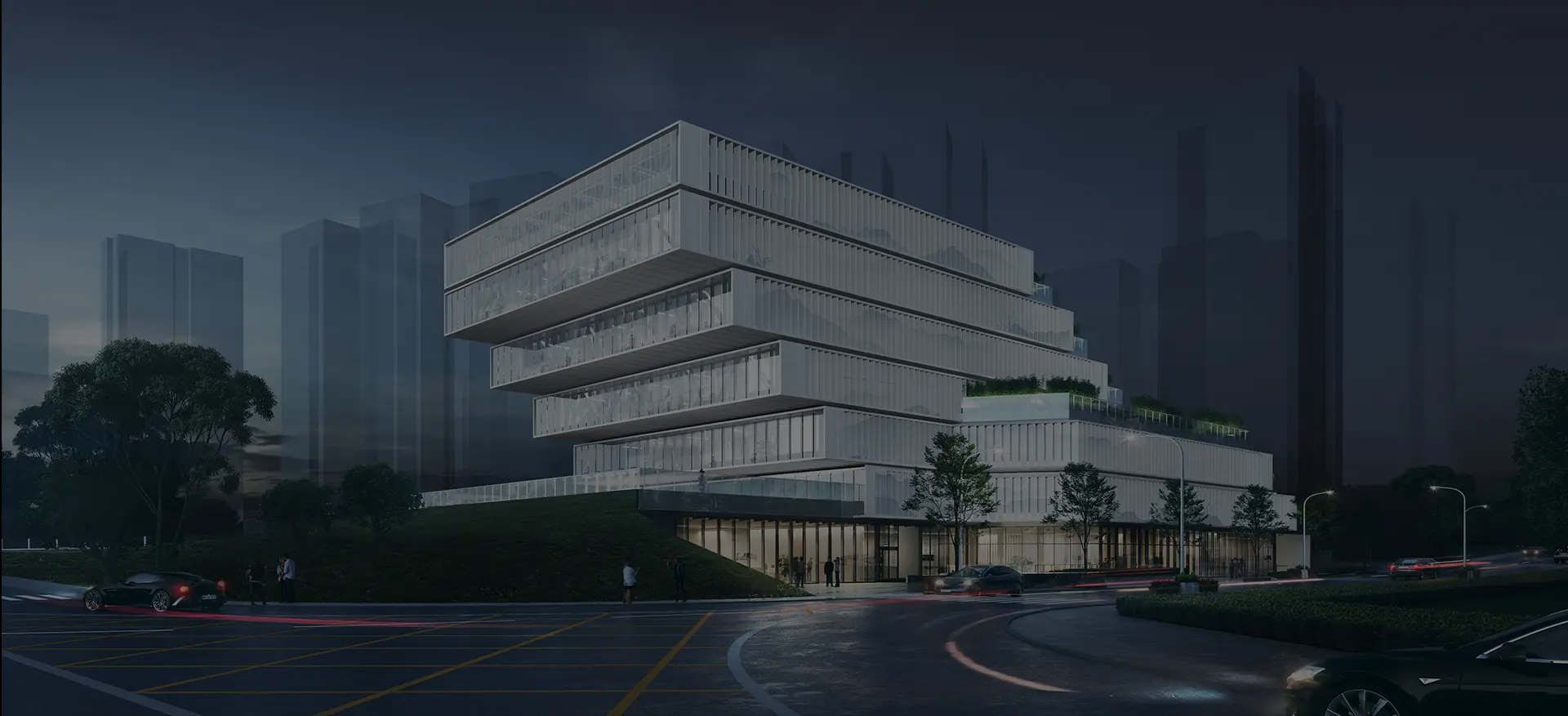
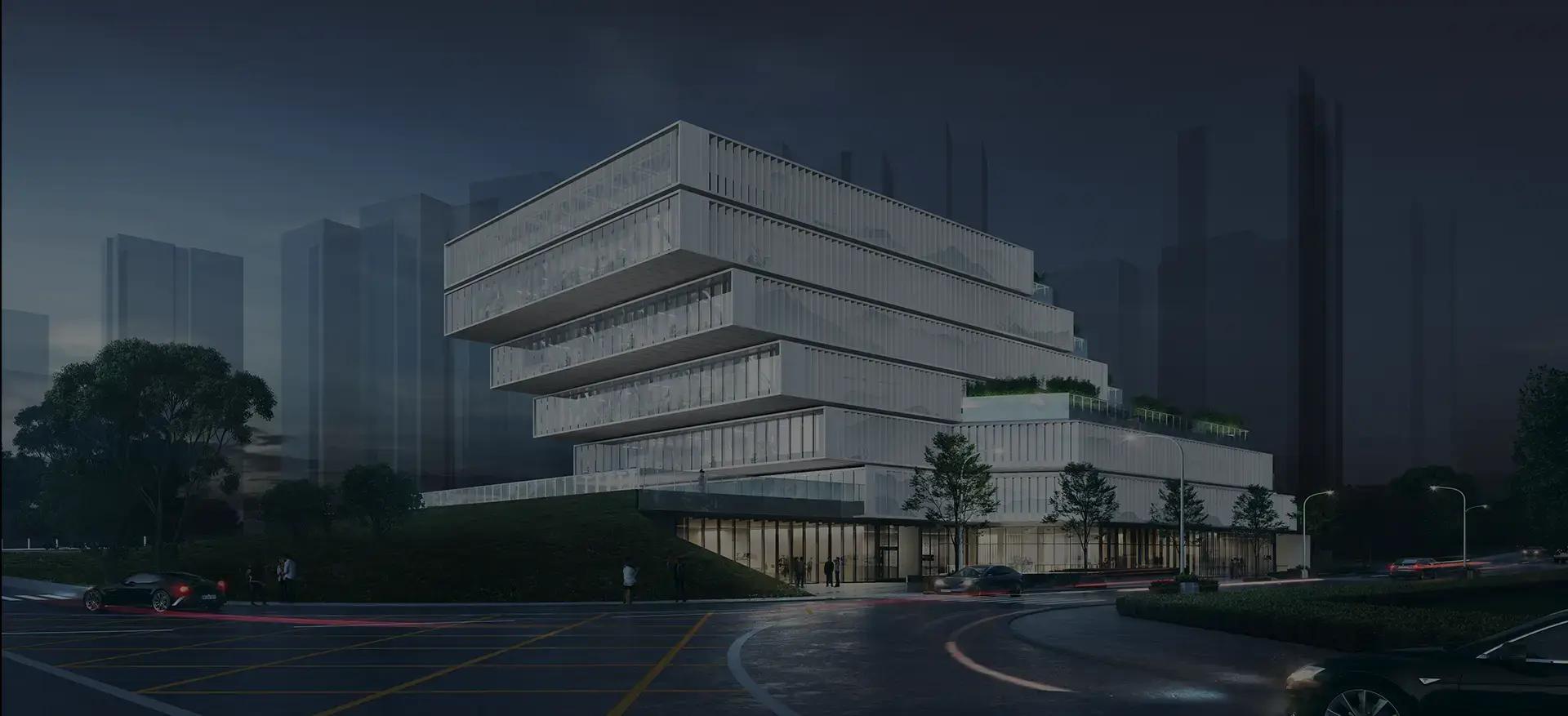
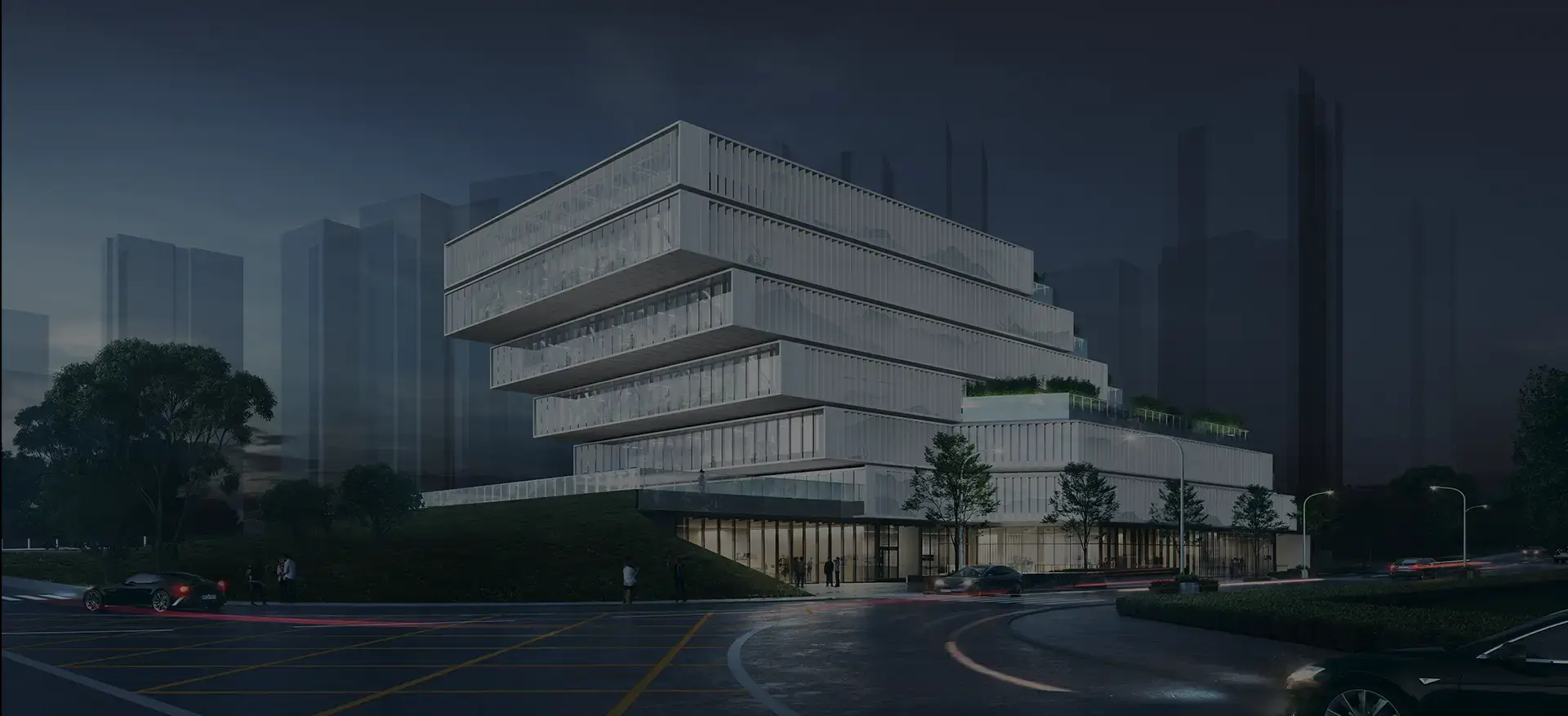
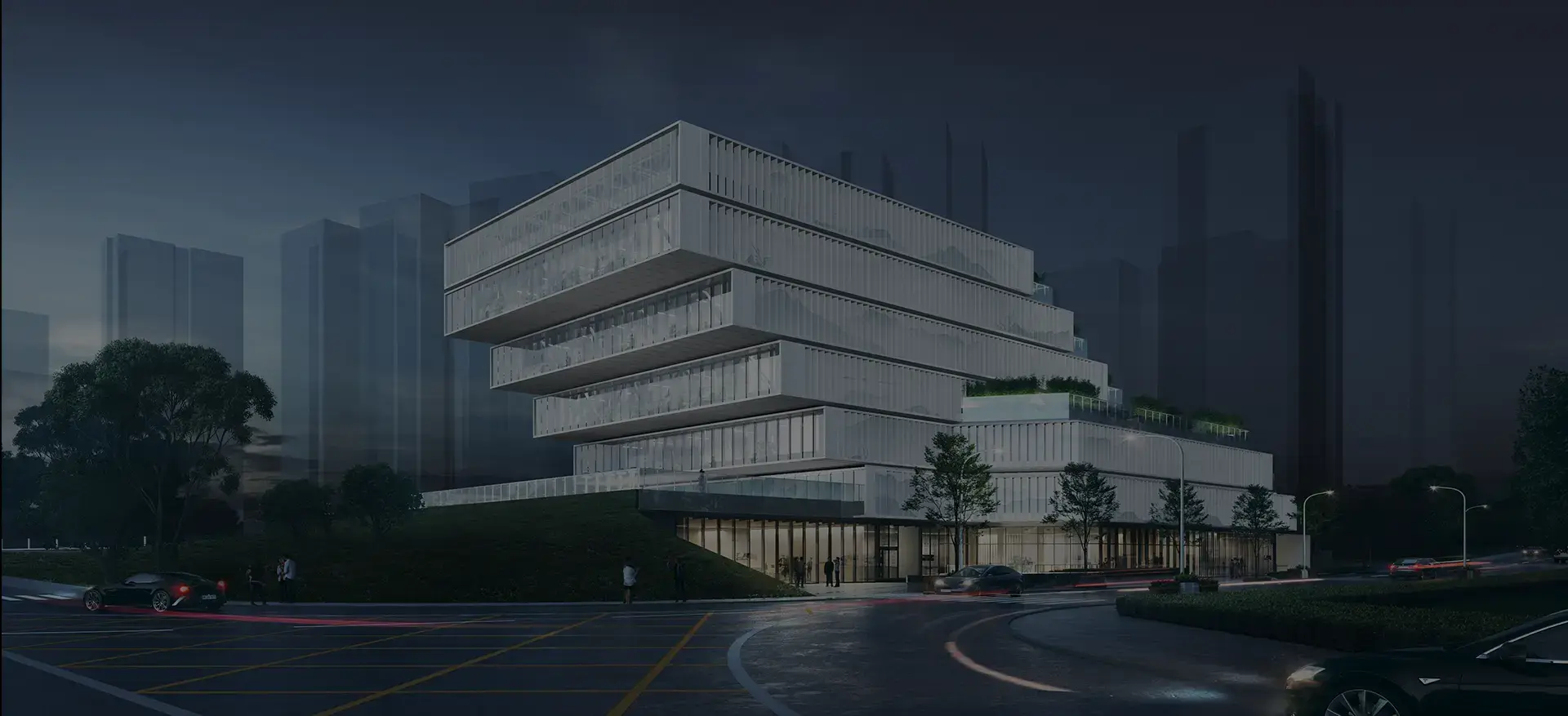
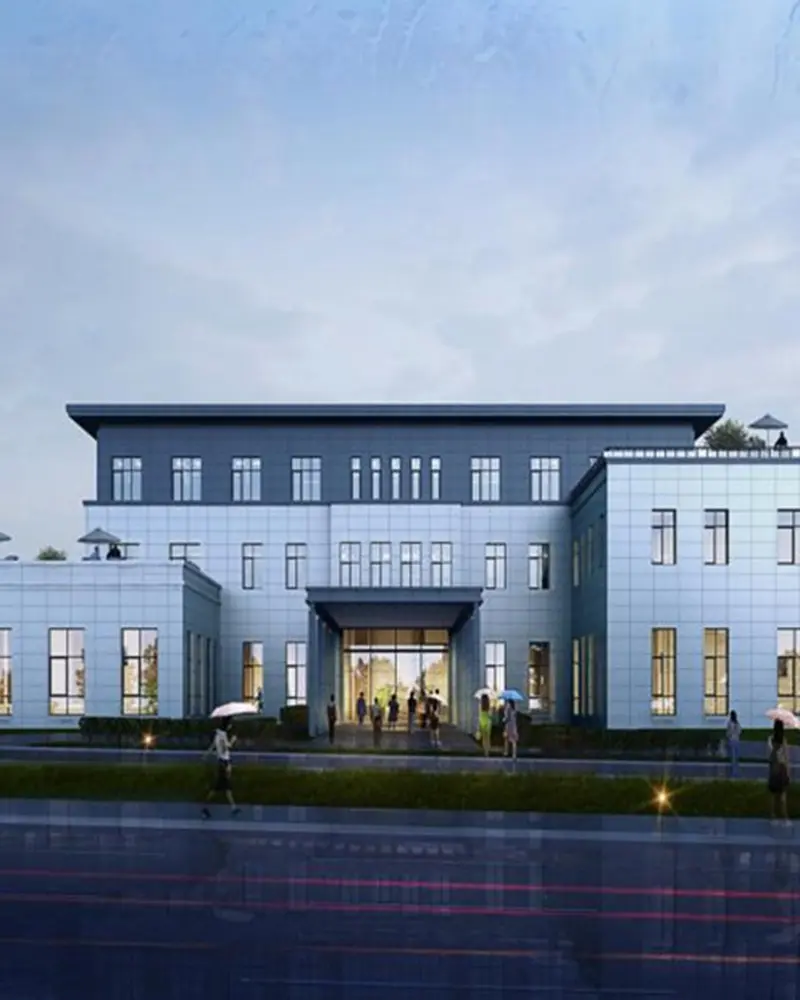
Delivering thin, high-performance thermal barriers for building envelopes to support sustainable, energy-efficient designs.

Providing advanced thermal protection in kilns, specialized fireproof doors, and high-temperature processing equipment.

Supporting modular housing and prefabricated eco-resorts with space-saving, highly efficient thermal insulation systems.
As standard regulatory policies transition toward net-zero targets, thermal insulation materials must meet increasingly strict performance criteria. Conventional organic foams are limited by chemical breakdown, potential fire hazards, and declining R-values due to cell aging. Zerothermo’s product development roadmap focuses on advancing pure inorganic core structures, optimizing gas barrier envelopes, and expanding automated fabrication processes.
Our ongoing development focus targets the optimization of nano-pore structural geometry within fumed silica matrices. By refining particle size distributions and applying specialized compaction techniques, we aim to lower core pressure sensitivity, allowing panels to maintain their design thermal properties even under partial vacuum decay. Additionally, our R&D team is engineering next-generation composite barrier films with lower gas transmission rates, extending the reliable service life of vacuum insulation panels to over 50 years in structural building envelopes.
Information Gain Indicator: Traditional vacuum systems rely on polymer-based multi-layer foils that degrade when exposed to moisture vapor over long periods. Zerothermo's current engineering focus targets inorganic silicon dioxide barrier overlays, which reduce moisture migration and prevent long-term thermal degradation in high-humidity ceiling installations.
Zerothermo provides end-to-end technical support for design offices, developers, and project contractors. From structural calculations and thermal analysis to onsite installation guidance, our team ensures your projects meet regional building codes, fire regulations, and environmental standards. We maintain strict compliance under international frameworks, including ISO 9001 quality standards, ISO 14001 environmental management, and CE certifications.

We provide comprehensive vacuum insulation systems tailored for structural construction, cold chain logistics, and high-temperature industrial settings. Reach out to our technical engineering division to consult on custom panel layouts, thermal performance specifications, and competitive pricing structures.


In support of carbon-reduction objectives, Zerothermo Technology continues to drive the integration of high-performance thermal insulation systems across diverse industrial sectors.


 +86 15892792306