
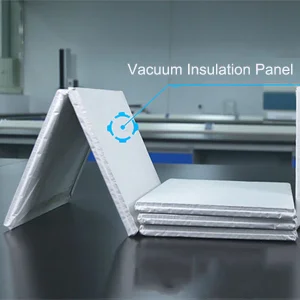
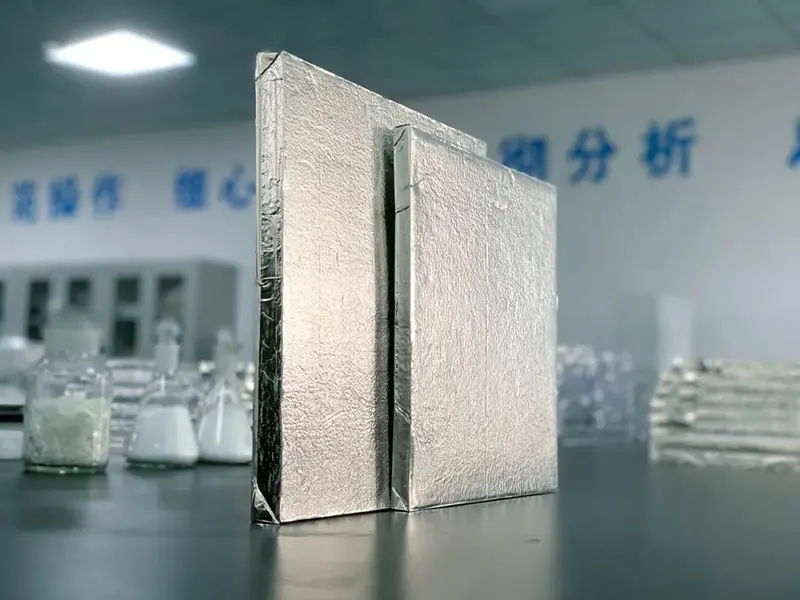
Designed for modern building thermal envelope systems, this vacuum insulated panel reduces wall thickness while delivering superior thermal resistance.
Get Quotes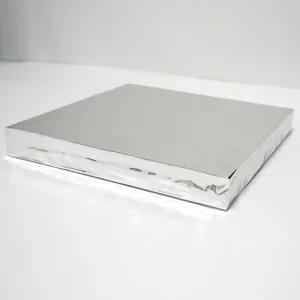
Optimized for high-temperature furnace lining and critical industrial safety barriers, maintaining stability up to 1000°C.
Get Quotes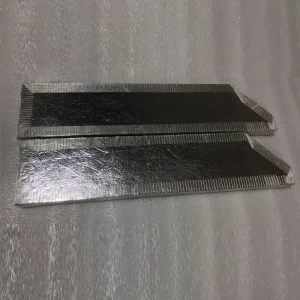
Encapsulated in high-barrier PET film, these special-shaped VIPs are custom-engineered for non-flat spaces and curved architectures.
Get Quotes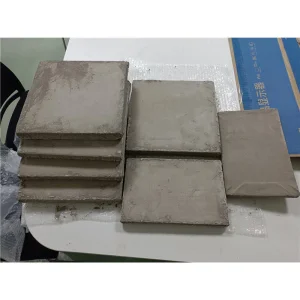
Features a reinforced protective layer to withstand construction-site handling hazards and maintain core vacuum state.
Get Quotes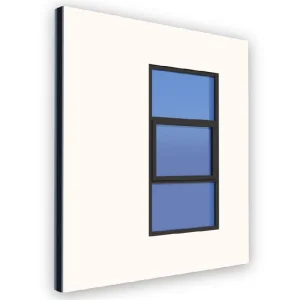
Prefabricated wall panels integrated with core vacuum insulation. Specially built for fast installation and modern green building codes.
Get Quotes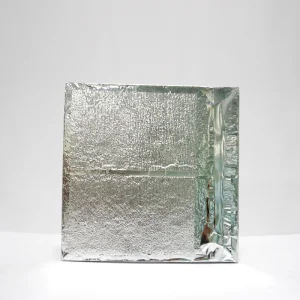
The gold standard for pharmaceutical cold chain transport containers, ensuring stable temperatures over extended transit periods.
Get Quotes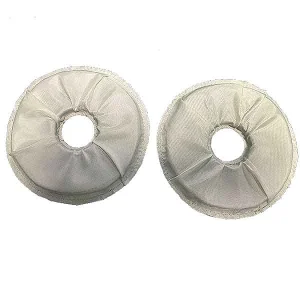
Flexible high-temperature nano insulation mats suited for complex piping, cylindrical vessels, and machinery contours.
Get Quotes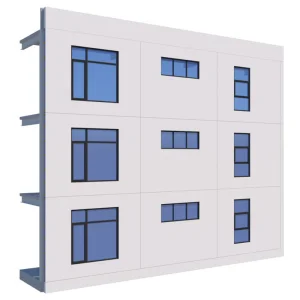
Dual-action exterior panel board providing high-efficiency insulation combined with customizable architectural finishes.
Get QuotesIn the quest for global carbon neutrality, energy efficiency standards have placed traditional insulation materials (like expanded polystyrene, polyurethane, and mineral wool) under scrutiny. These materials rely on trapped pockets of air or gases to reduce heat transfer. However, their thermal conductivity (K-value) typically ranges from 0.024 W/m·K to 0.040 W/m·K. To achieve high insulation ratings, traditional systems require excessive thickness, which reduces usable interior square footage and complicates structural designs.
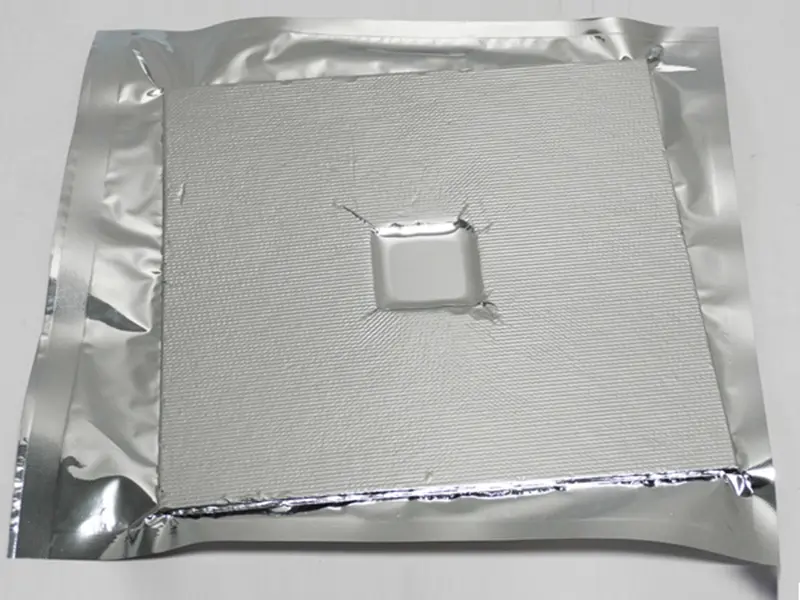
Vacuum Insulation Panels (VIPs) and Nano-Microporous Insulation Boards address these limitations. By evacuating the internal air pressure within a porous core material, gas molecular conduction and convection are almost entirely eliminated. This relies on the Knudsen Effect, where gas thermal conductivity drops significantly when the mean free path of gas molecules exceeds the average pore size of the core structure. When fumed silica core materials (with typical pore diameters of 10 to 100 nanometers) are subjected to deep vacuum sealing, thermal conductivity drops to ≤ 0.004 W/m·K. This yields up to ten times the efficiency of traditional alternatives at a fraction of the thickness.
"For modern infrastructure, architectural design, and industrial high-temperature containment, vacuum-isolated panel systems offer the thinnest, most thermophysically stable solutions available today, minimizing carbon footprints while maximizing space utilization."
When searching for the optimal insulated panel board quotes, B2B procurement teams must select between fumed silica cores and fiberglass cores. Fumed silica cores feature a longer operational lifespan (often exceeding 50 years in building envelopes) due to their resistance to moisture and minimal outgassing. They also maintain their insulation properties even if the vacuum degrades slightly. In contrast, fiberglass cores achieve extremely low initial K-values (approx. 0.0015 W/m·K under peak vacuum) but degrade rapidly if the barrier film is compromised, making them best suited for controlled appliances like refrigerators and cold chain shipper boxes.
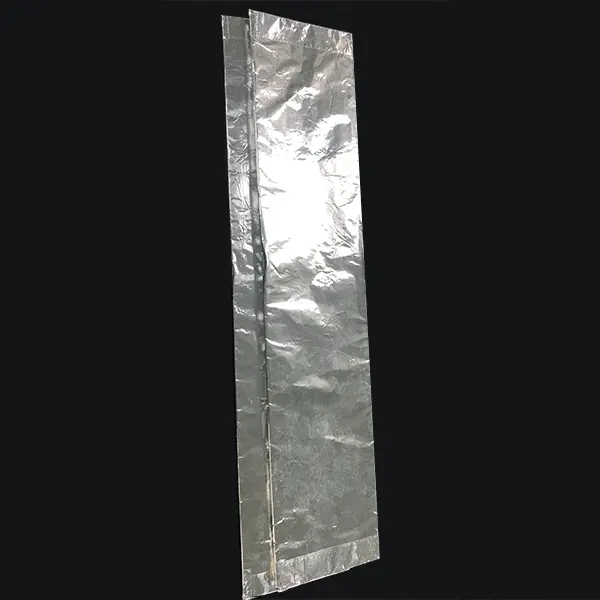
Customized dimensions (Thickness: 5-15mm) designed to prevent thermal runaway in EV lithium pack enclosures.
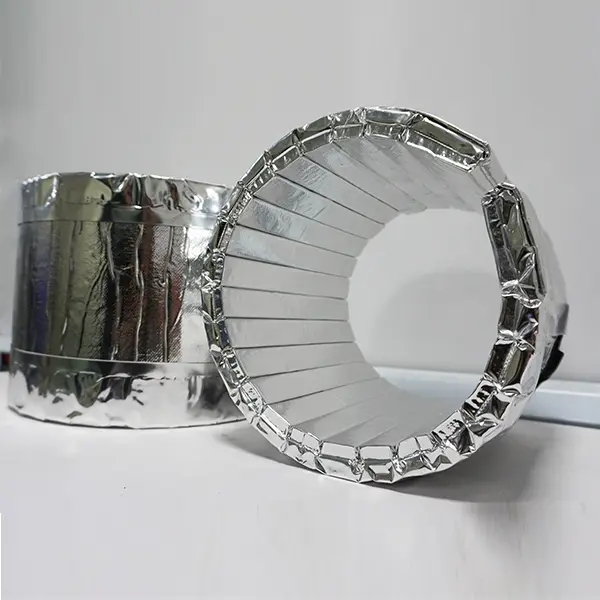
Engineered for high-humidity industrial applications, combining hydrophobic properties with extreme temperature performance.
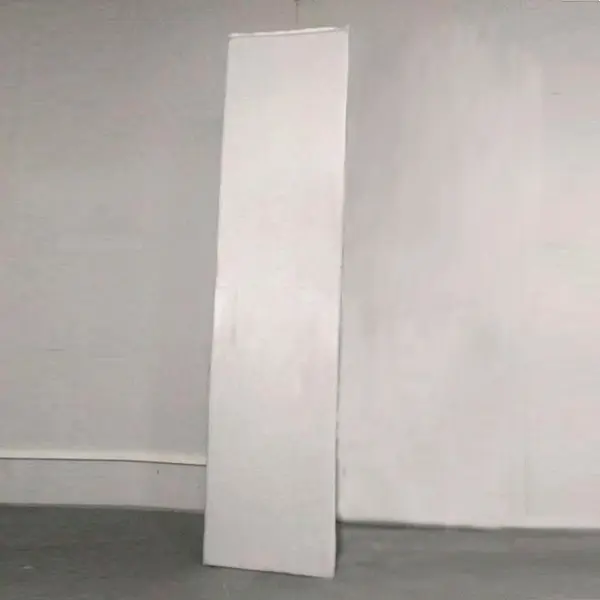
Elevator fire door safety cores featuring non-combustible classification (Class A1) and minimal weight profiles.
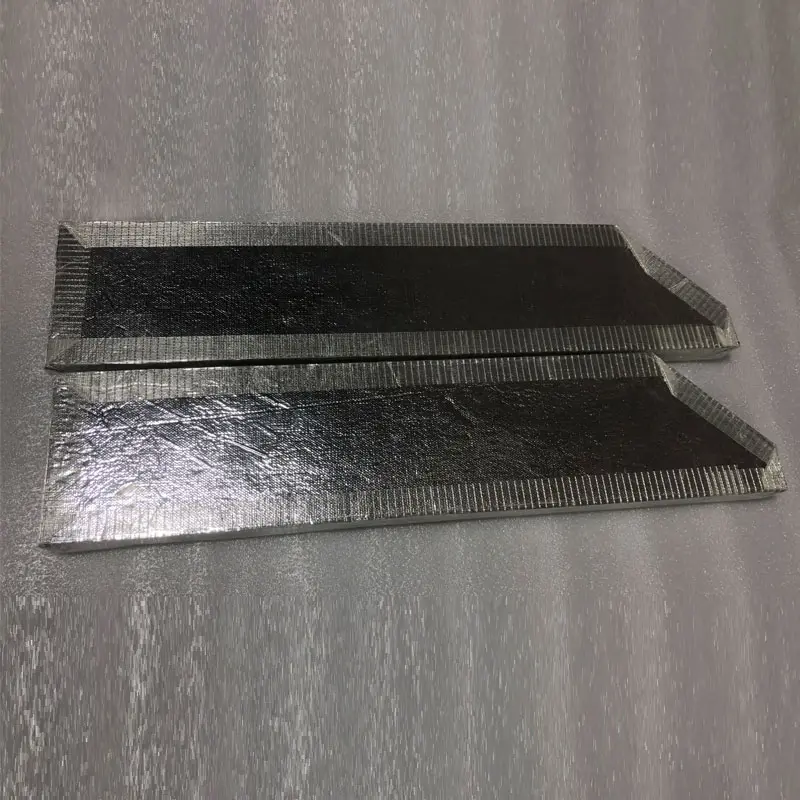
Vacuum panels manufactured to custom curved, circular, or multi-faceted drawings without loss of vacuum integrity.
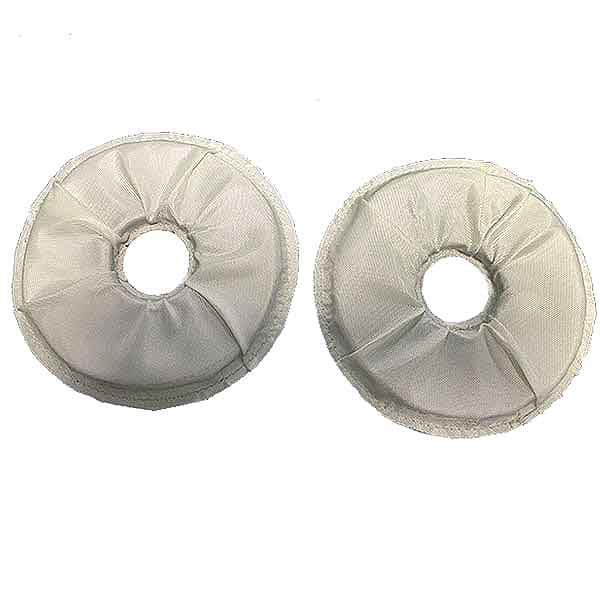
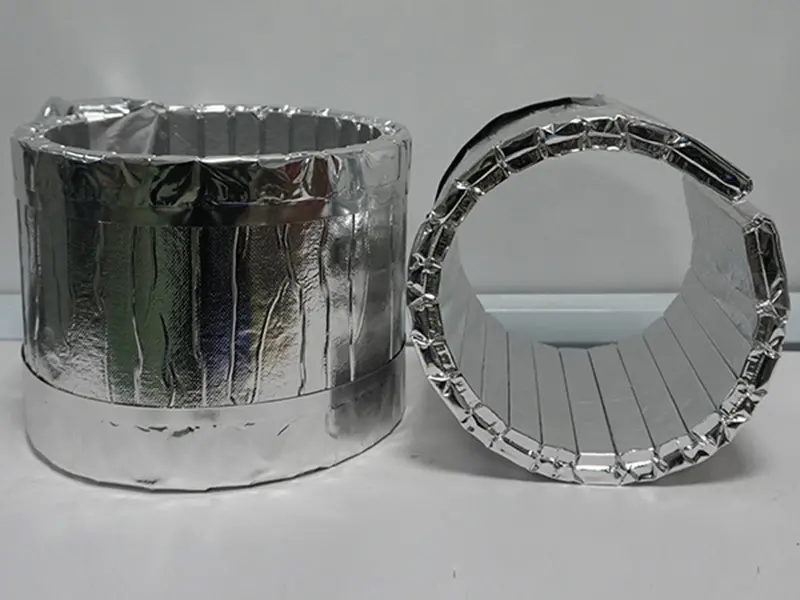
Flexible aerogel and microporous blanket configurations for high-temperature pipe insulation and round vessel wraps.
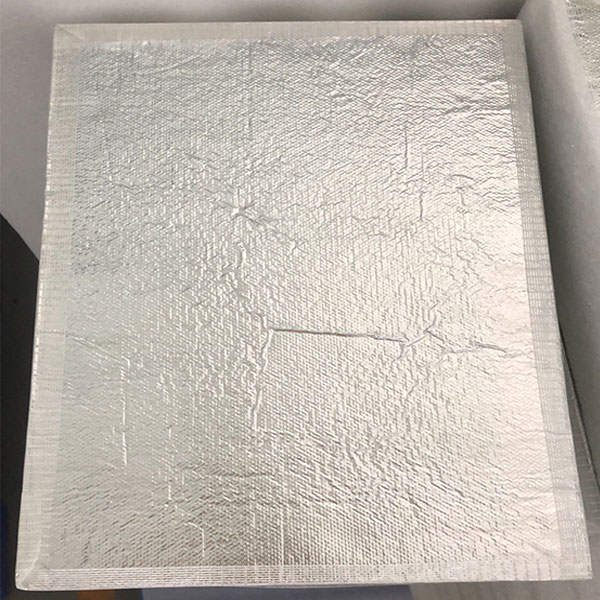
Optimized for residential green buildings and commercial retrofits looking for low U-values.
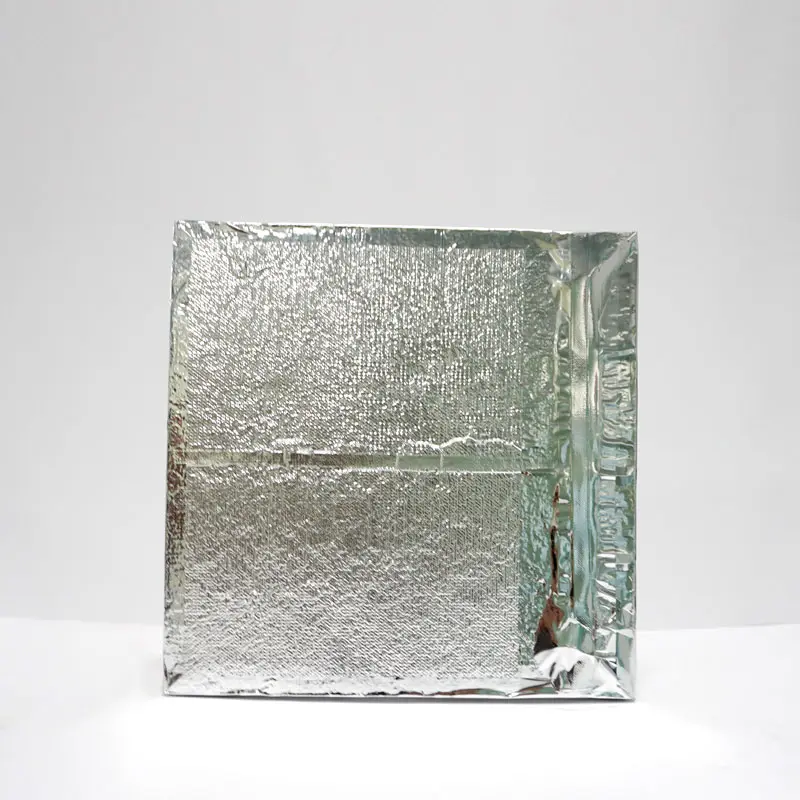
Standardized sizes for medical shippers, biological storage units, and vaccine cooling containers.
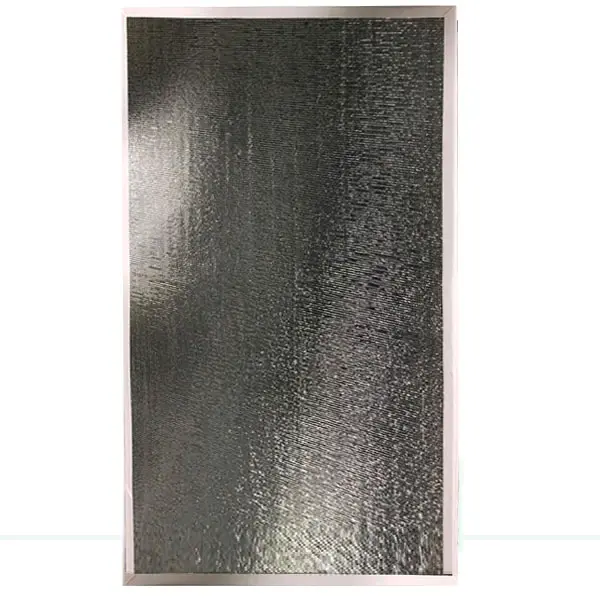
Oversized panels developed for cold container hulls, shipping vessels, and external cladding setups.


Zerothermo Technology Co., Ltd., a subsidiary of the renowned CBVAC Group, is a national high-tech enterprise at the forefront of vacuum technology application science. Headquartered in the Beijing Economic-Technological Development Area, with our primary manufacturing complex located in Nanchong City, Sichuan Province, we operate one of China’s largest and most comprehensive facilities dedicated to high-efficiency vacuum insulated panels (VIPs), vacuum insulated glass (VIG), and nano-microporous thermal solutions.
Leveraging CBVAC's deep vacuum component engineering expertise, we offer complete thermal performance customization. This includes specialized shapes, integrated protective laminates, and tight dimensional tolerances for the most challenging B2B applications.

Custom dimensions (outside standard ANSI/ASME/DIN ranges) engineered according to precise technical diagrams.

Square, oval, and oversized/micro precision vacuum flanges exceeding 60 inches for custom reactor vessels.

Machined components built to withstand extreme thermal cycle loads and vacuum pressures without micro-fissuring.
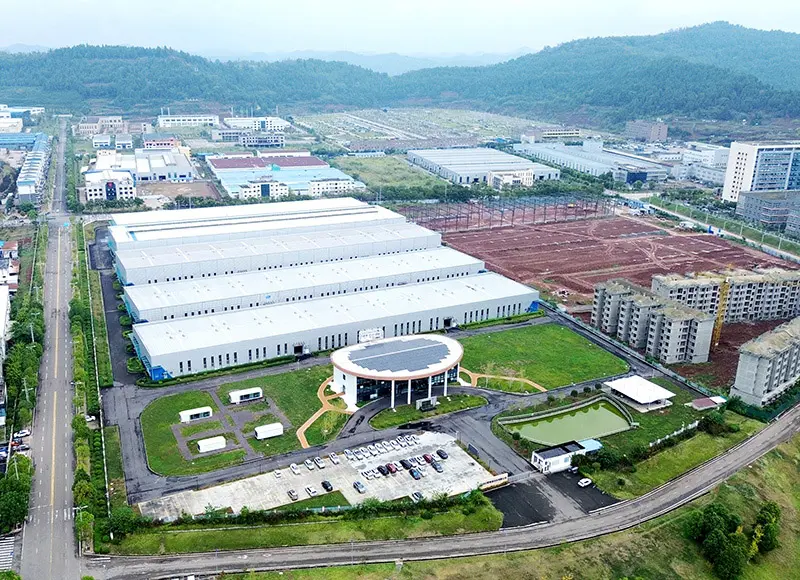

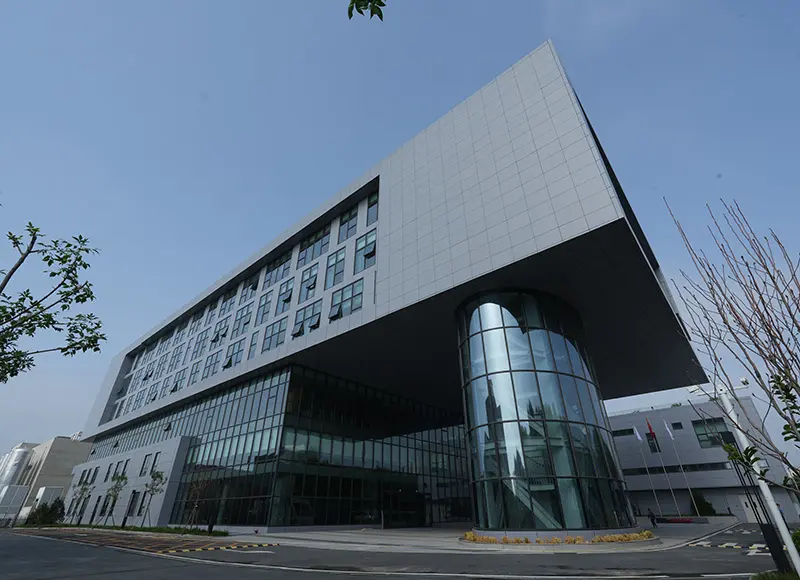


The manufacturing landscape for insulated panel boards has centralized significantly in China, driven by supply chain integration, mineral processing infrastructure, and automated manufacturing systems. China controls a large portion of the world's raw fumed silica and aerogel production capacity. This lets manufacturers control raw material quality and pricing from the initial source.
At Zerothermo's Nanchong production facility, this resource advantage is paired with advanced automation. Fully automated vacuum packaging lines, in-line barrier film laminate sealers, and precision laser dimension cutters operate in climate-controlled environments. These facilities minimize ambient relative humidity (RH) to ensure the fumed silica core does not absorb water vapor prior to vacuum extraction. B2B buyers importing from Chinese factories gain access to competitive pricing and high-precision quality control standards, including automated helium leak detection and thermal conductance verification on every production batch.
Four primary macro trends are driving the future of the vacuum insulation panel industry:









Designed for elevator door assemblies, keeping structures slim while meeting strict fire-resistance window requirements.
Get Quotes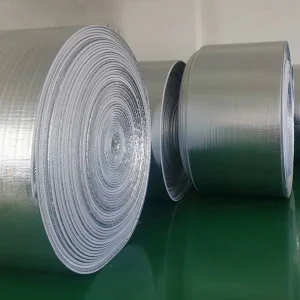
Aluminum-faced foam rolls designed for roofing and duct systems, reflecting radiant heat while preventing thermal bridging.
Get Quotes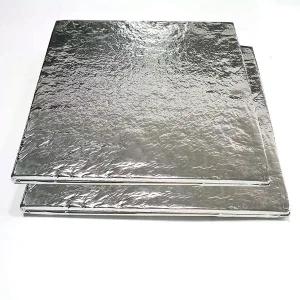
Premium glass fiber core vacuum panel achieving extremely low initial K-value, optimal for cold containment appliances.
Get Quotes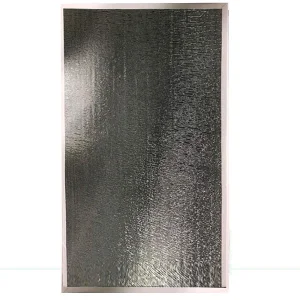
Customized large formats engineered specifically to fit ocean-bound reefers and cold storage container modules.
Get Quotes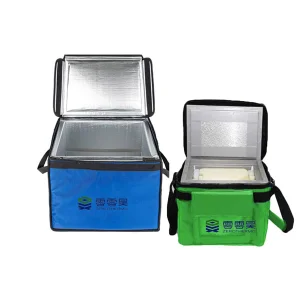
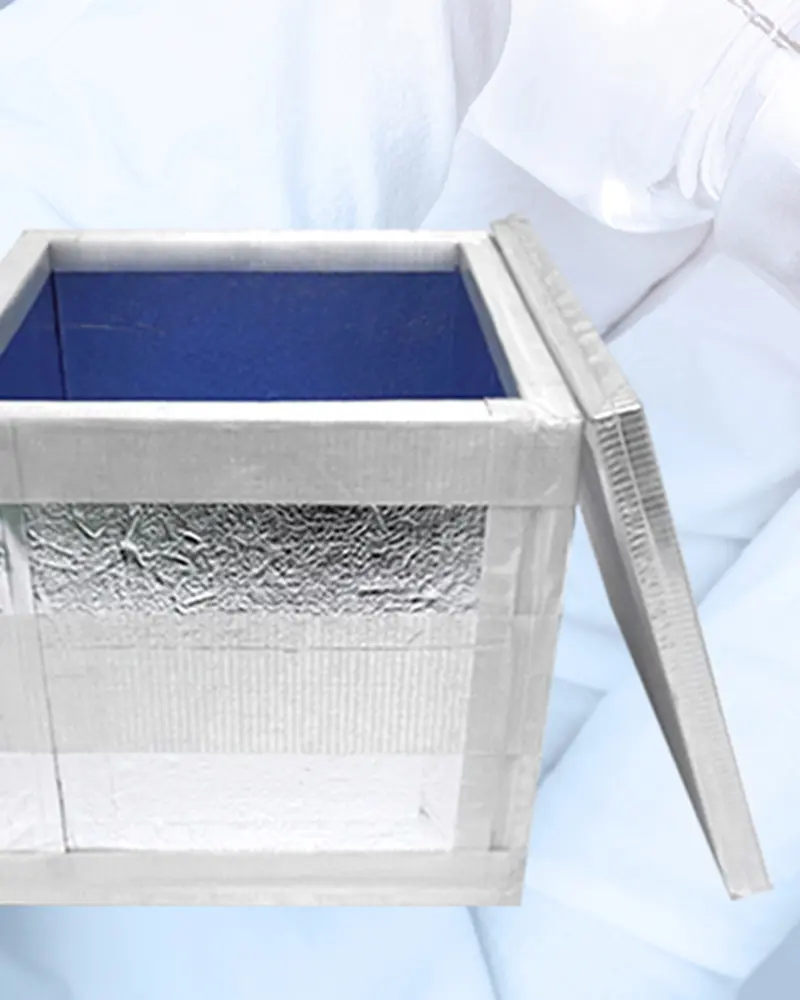
Highly reliable cold-chain shipper utilizing built-in fumed silica VIP insulation to maintain critical storage temperatures.
Get Quotes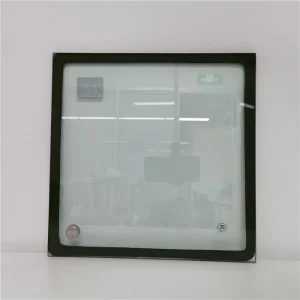
Double-glazed tempered glass units with a core vacuum gap, providing high thermal efficiency for smart building windows.
Get Quotes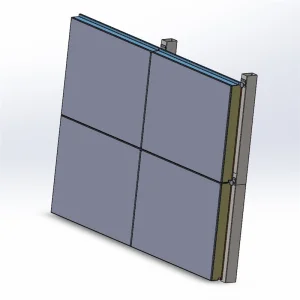
All-in-one system combining high-grade thermal barrier cores with weather-resistant external decorative finishes.
Get Quotes
Custom aerodynamic thermal barriers for EV battery management systems, helping prevent thermal runaway between cells.
Get QuotesWe provide a one-stop vacuum insulation board solution. Contact us to consult with our application engineers, request custom thickness layouts, and obtain pricing information.




 +86 15892792306