Vacuum Insulation Boards (VIBs) are becoming increasingly popular in construction and manufacturing sectors. Their exceptional thermal performance sets them apart from traditional insulation materials. Recent studies indicate that VIBs can offer R-values over 50, far exceeding conventional insulation options like fiberglass or cellulose. This performance translates into energy savings, which are critical in today's economy where energy costs are rising relentlessly.
The demand for sustainable building practices also drives the interest in Vacuum Insulation Boards. As per the International Energy Agency, buildings account for nearly 40% of global energy consumption. Leveraging VIBs can significantly reduce this footprint. Projects using these boards often see a reduction in heating and cooling costs by up to 30%. Such data illustrates the effectiveness of VIBs in achieving energy efficiency and cost savings.
Despite these advantages, it’s important to acknowledge some challenges. VIBs are often more expensive upfront than traditional options. Their installation requires specialized knowledge and care to maximize benefits. These are considerations that demand reflection prior to project implementation. Therefore, weighing the long-term savings against initial costs is crucial for informed decision-making.
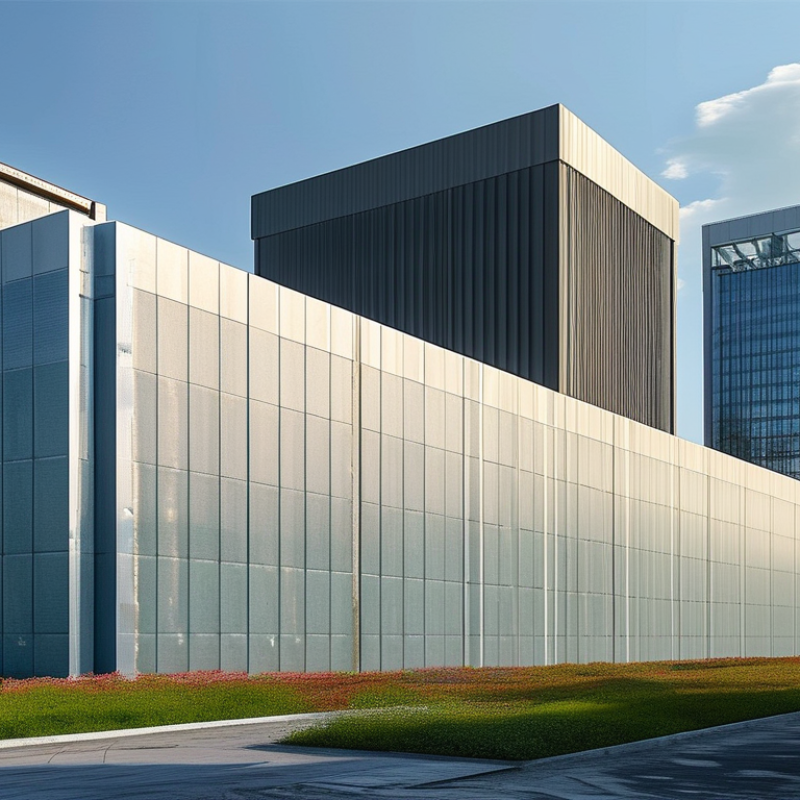
Benefits of Using Vacuum Insulation Boards in Construction Projects
Vacuum insulation boards (VIBs) offer remarkable benefits for construction projects. They have a high thermal resistance, which helps maintain temperature and improve energy efficiency. This is crucial for both residential and commercial buildings. Using VIBs can lead to significant reductions in heating and cooling costs. These boards are particularly effective in passive house designs, where energy efficiency is paramount.
However, there are challenges to consider. VIBs can be more expensive than traditional insulation options. The installation process requires careful handling and precision. Poor installation can compromise their effectiveness. Project teams must ensure proper training and knowledge about these materials. Balancing cost with long-term savings is essential in decision-making.
Moreover, vacuum insulation boards are thinner than conventional insulation materials. This makes them ideal for space-limited projects. Yet, the reduced thickness might lead to misunderstandings about their performance. Some might underestimate the insulation properties and overlook their advantages. Understanding the science behind VIBs is key to unlocking their potential in modern construction.
Key Properties of Vacuum Insulation Boards Compared to Traditional Insulations
Vacuum Insulation Boards (VIBs) stand out in the insulation market due to their unique properties. Unlike traditional insulations, VIBs feature a high R-value with minimal thickness, making them suitable for space-constrained applications. They consist of a core surrounded by a vacuum, offering superior thermal performance. This can lead to energy savings and improved comfort in both residential and commercial buildings.
The resistance to moisture makes VIBs an excellent choice for various environments. They are less prone to degradation over time compared to traditional insulations. This durability ensures that they maintain their insulating properties longer, providing lasting benefits. However, VIBs may require specialized installation techniques, which could be a consideration for some projects.
Incorporating VIBs into your projects can elevate your energy efficiency goals. Consider the long-term costs, as they may be higher upfront. This is balanced by the savings on energy bills over time. Pay attention to the manufacturer's guidelines for installation. Evaluating your specific needs can lead to informed decisions that enhance both performance and sustainability.
Why Choose Vacuum Insulation Board for Your Next Project? - Key Properties of Vacuum Insulation Boards Compared to Traditional Insulations
| Property |
Vacuum Insulation Board |
Traditional Insulation |
| Thermal Conductivity (W/m·K) |
0.003 - 0.005 |
0.035 - 0.045 |
| Thickness (mm) |
20 - 50 |
50 - 200 |
| Weight (kg/m²) |
3 - 5 |
10 - 15 |
| Moisture Resistance |
High |
Moderate |
| Lifespan (Years) |
50+ |
20 - 30 |
Applications of Vacuum Insulation Boards in Different Industries
Vacuum Insulation Boards (VIBs) provide exceptional thermal performance, making them ideal for various industries. In the construction sector, they are used to insulate walls, roofs, and floors. Their thin profile allows for space-saving designs, delivering high R-values that meet modern energy efficiency requirements. Builders appreciate their lightweight nature, which simplifies the installation process. VIBs also help reduce energy consumption, as they minimize heat loss in buildings.
In the refrigeration industry, VIBs are gaining popularity. They maintain low temperatures while conserving energy, which is crucial for perishable goods. Their ability to withstand extreme conditions makes them suitable for both domestic and commercial refrigeration systems. However, the challenge lies in ensuring proper sealing to maximize insulation effectiveness.
In the automotive sector, vacuum insulation technology is being embraced in electric and hybrid vehicles. These boards help manage thermal stability, enhancing battery efficiency. While they offer substantial advantages, integrating them into existing designs can be tricky. Engineers often need to rethink traditional insulation methods to accommodate this new technology.
Cost-Effectiveness and Energy Efficiency of Vacuum Insulation Board Solutions
Vacuum Insulation Boards (VIPs) are revolutionizing insulation solutions in various industries. They offer exceptional thermal performance. According to a study from the International Energy Agency, VIPs can achieve thermal resistance up to five times greater than conventional insulating materials. This means that buildings insulated with VIPs can significantly reduce energy consumption.
The cost-effectiveness of VIPs is noteworthy. While the initial investment is often higher, the long-term savings surpass expectations. A report by the U.S. Department of Energy indicated that buildings using VIPs can save over 20% on energy bills annually. This translates into lower operational costs and increased comfort levels.
However, some considerations must be addressed. The materials used in VIPs can be delicate and require careful handling. Moreover, the life expectancy of VIPs may vary depending on environmental factors. Despite these challenges, the long-term benefits of energy savings and reduced carbon footprints make VIPs a compelling choice for modern projects.
Installation Considerations and Best Practices for Vacuum Insulation Boards
Vacuum Insulation Boards (VIPs) are becoming increasingly popular in construction and manufacturing due to their remarkable thermal performance. When considering installation, several key factors can influence the outcome. First and foremost, ensure that the surface is clean and dry. Any contaminants on the substrate can diminish adhesive performance. According to a report from the International Institute of Refrigeration, improper installation can reduce insulation effectiveness by up to 30%.
Selecting the right adhesive is crucial. Many experts recommend using an adhesive that cures quickly and withstands temperature fluctuations. Samples of VIPs should be tested in controlled environments to ascertain their performance. A study by the European Union’s Framework Programme for Research and Innovation highlights the importance of proper sealing methods to maintain vacuum integrity. Commonly overlooked, even minor gaps can lead to insulation failure.
Here are some practical tips for a successful installation: Measure your space accurately to avoid miscalculations. Cut boards with precision for proper fitting. After installation, avoid excessive stress on the panels; this can compromise their structure. Always keep a keen eye on the air tightness of joints to ensure long-term efficacy. While VIPs offer superior insulation, their delicate nature demands respect and careful handling throughout the installation process.
FAQS
: VIBs provide a high R-value with minimal thickness. This is ideal for space-limited applications, enhancing energy efficiency and comfort.
Yes, VIBs resist moisture and degradation better than traditional options, maintaining their insulating properties for an extended period.
Ensure surfaces are clean and dry before installation. Use adhesives that cure quickly and withstand various temperatures for best results.
It is essential. Gaps, even small ones, can reduce insulation effectiveness significantly. Proper sealing helps maintain vacuum integrity.
While VIBs may have a higher upfront cost, they can lead to long-term savings on energy bills. Evaluate when planning your budget.
VIBs are resistant to moisture, making them suitable for various settings. However, assess your specific environment for optimal performance.
Handle VIBs carefully to avoid damaging them. Excessive stress can compromise their structure and thermal efficiency.
Accurate measurements are crucial. Miscalculations can lead to improper fitting, which may cause insulation failure.
Yes, improper installation can reduce insulation effectiveness by up to 30%, so adhere to best practices and guidelines closely.
Maintaining airtight joints and minimizing stress on panels during and after installation are vital for long-lasting performance.
Conclusion
Vacuum Insulation Boards (VIBs) offer significant advantages in modern construction projects, primarily due to their superior thermal performance compared to traditional insulation materials. These boards effectively minimize heat transfer, making them ideal for energy-efficient building designs. Their key properties include high insulation effectiveness and low thermal conductivity, which lead to reduced energy costs and enhanced comfort in various applications, from residential buildings to industrial facilities.
Moreover, VIBs are highly cost-effective in the long run, contributing to lower energy consumption and thus promoting sustainability. However, proper installation is crucial to maximize their benefits; consideration of environmental factors and adherence to best practices can ensure optimal performance. As construction standards evolve, utilizing Vacuum Insulation Boards can be a strategic choice to achieve energy efficiency and meet modern building regulations.